Medical Management Of Pneumonia
Pneumonia Nursing Care Management And Study Guide
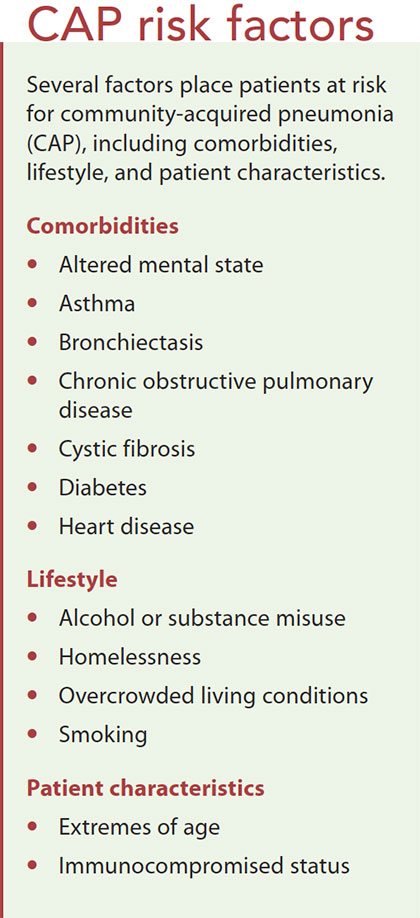
Community Acquired Pneumonia American Nurse Today
Burden Of Community Acquired Pneumonia Is Borne By Older Adults

Overview Of Community Acquired Pneumonia In Adults Uptodate

Community Onset Pneumonia Emcrit Project

Management Of Nosocomial Pneumonia On A Medical Ward A Comparative Study Of Outcomes And Costs Of Invasive Procedures Clinical Microbiology And Infection
Take any medications as prescribed by your doctor If your pneumonia is caused by bacteria, you will be given an antibiotic It is important to take all the antibiotic until it is gone, even though you will probably start to feel better in a couple of days.
Medical management of pneumonia. MANAGEMENT OF PNEUMONIA 1 PRIYATMA KHINCHA 2 INVESTIGATIONS 3 SPUTUM MICROSCOPY COLLECTION >25 NEUTROPHILS / LPF. Management of Adults with Hospitalacquired and Ventilatorassociated Pneumonia, 16 pdf icon 51 pages external icon The Infectious Diseases Society of America and. Bacterial pneumonia Two pneumonia vaccines, Pneumovax23® and Prevnar13®, protect against the most common causes of bacterial pneumonia Pneumovax23® protects against 23 different types of pneumococcal bacteria It is recommended for all adults 65 years of age and older and children over 2 years of age who are at increased risk for pneumonia.
Primary considerations for respiratory management of patients with COVID19 pneumonia While proning results have not been published, all anecdotes suggest that many patients — before and after intubation — experience improved oxygenation with rotational therapy. % for those at risk of hypercapnic respiratory failure (eg some COPD patients, morbid obesity, neuromuscular or chest wall disease) Antibiotics as per flow chart Antibiotic choice as Per CURB 65 Score. Pneumonia that develops in nonhospitalized patients is the most common infectious cause of death in the US and ranks second among reasons for hospitalization Persons over the age of 65 are at particularly high risk for pneumonia and about 85% of all pneumonia deaths occur in this population Pneumonia is the most common cause of sepsis and early antibiotic therapy for communityacquired.
FPnotebookcom is a rapid access, pointofcare medical reference for primary care and emergency clinicians Started in 1995, this collection now contains 61 interlinked topic pages divided into a tree of 31 specialty books and 737 chapters. Pneumonia is a major cause of morbidity and mortality among nursing home residents The approach to managing these patients has lacked uniformity because of the paucity of clinical trials. MANAGEMENT OF PNEUMONIA 1 PRIYATMA KHINCHA 2 INVESTIGATIONS 3 SPUTUM MICROSCOPY COLLECTION >25 NEUTROPHILS / LPF.
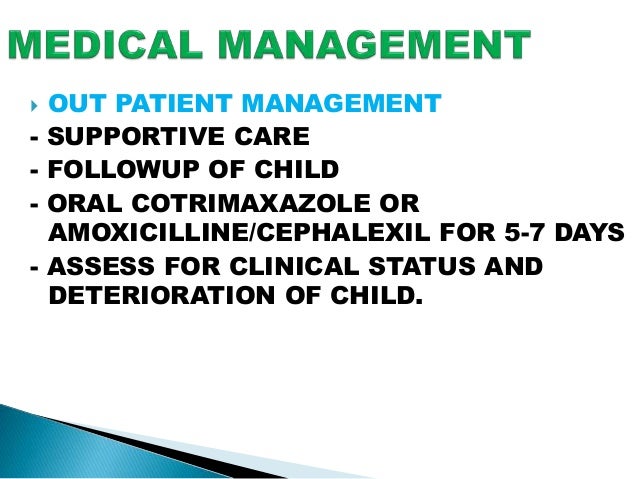
Medical management of pneumonia in children aged under 5 years in Alexandria, Egypt mothers’ perspective Noha Fadl, 1 Ayat Ashour and Yasmine Muhammed1 1Family Health Department, High Institute of Public Health, Alexandria University, Alexandria, Egypt (Correspondence to nohaosama@alexuedueg) Abstract. Viral pneumonia is pneumonia that results from a viral lung infection Many viruses can cause pneumonia Learn about its causes, symptoms, and treatments here. FPnotebookcom is a rapid access, pointofcare medical reference for primary care and emergency clinicians Started in 1995, this collection now contains 61 interlinked topic pages divided into a tree of 31 specialty books and 737 chapters.
These pneumonia classification and management guidelines had been developed based on evidence generated in the 1970s and early 1980s, and were incorporated into the original version of Integrated Management of Childhood Illness (IMCI) In the intervening time, new evidence has. Pneumonia is an infection in one or both of the lungs Many germs, such as bacteria, viruses, and fungi, can cause pneumonia You can also get pneumonia by inhaling a liquid or chemical People most at risk are older than 65 or younger than 2 years of age, or already have health problems Symptoms of pneumonia vary from mild to severe. Management All patients should receive appropriate O 2 therapy as indicated, targeting ≥94% saturation (or % in those at risk of hypercapnic respiratory failure) Any evidence of sepsis or septic shock should be managed and treated accordingly (discussed here) Confirmed pneumonia should be treated with empirical antibiotics, pending sensitivities.
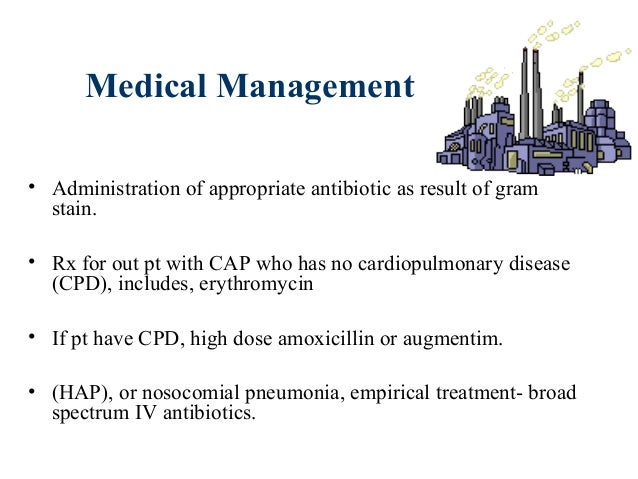
Necrotizing pneumonia is a rare but highly lethal process that is characterized by patchy areas of necrosis Surgery is indicated primarily for complications, specifically hemoptysis, empyema, lung abscess, or lung gangreneThis latter condition can be detected by chest computed tomography, which demonstrates progressive loss of perfusion or obstruction of the bronchus. Pneumonia management Most people have heard the term "pneumonia" and know it is a serious lung infection In fact, "pneumonia" is not a very specific term and essentially means inflammation in the deep lung tissues where oxygen is absorbed into the body and waste gases are removed. Medical Management Antibiotics are prescribed based on Gram stain results and antibiotic guidelines (resistance patterns, risk factors, etiology must be considered) Rationale Shock and pulmonary edema are the most common causes of death in pneumonia and require immediate medical intervention Monitor ABGs, pulse oximetry.
All viral pneumonia patients must receive supportive care with oxygen, rest, antipyretics, analgesics, nutrition, and close observation See Table 2 below Table 2 Treatment and Prevention of. If communityacquired pneumonia is suspected, effective management hinges on the decision regarding where the patient should be treated in hospital or in the community This article describes the epidemiology and pathophysiology of pneumonia, and discusses the specific challenges of diagnosing and managing it in primary care. Pneumonia is an infection in one or both of the lungs It causes the air sacs of the lungs to fill up with fluid or pus It can range from mild to severe, depending on the type of germ causing the infection, your age, and your overall health.
Persistent aspiration pneumonia is often due to anaerobes and it may progress to lung abscess or even bronchiectasis The usual site for an aspiration pneumonia is the apical and posterior segments of the lower lobe of the right lung If the patient is supine then the aspirated material may also enter the posterior segment of the upper lobes. If clinical features suggest staphylococcal pneumonia (pneumatoceles, empyema), initial antimicrobial therapy should also include vancomycin vial mg/kg/dose by 3 infusion inside NS over 1 hour, or clindamycin Duration of antibiotics treatment will be for 10 days. MEDICAL MANAGEMENT Typically, oral antibiotics, rest, and fluids are sufficient for complete resolution However, those with other medical conditions, the elderly, or those with significant trouble breathing may require more advanced care If the symptoms worsen, the pneumonia does not improve with home treatment, or complications occur, hospitalization may be required.
Viral pneumonia Pneumonia is a common complication of influenza As such, annual vaccination against influenza should be encouraged Medical Management Pharmacologic Therapy Pharmacologic therapy for pneumonia differs depending on the causative agent, the type of infection as well as the age of the patient. Pneumonia is an infection of the lungs caused by fungi, bacteria, or viruses General symptoms include chest pain, fever, cough, and trouble breathing. Communityacquired pneumonia is the most common type of pneumonia It occurs outside of hospitals or other health care facilities It may be caused by Bacteria The most common cause of bacterial pneumonia in the US is Streptococcus pneumoniae This type of pneumonia can occur on its own or after you've had a cold or the flu.
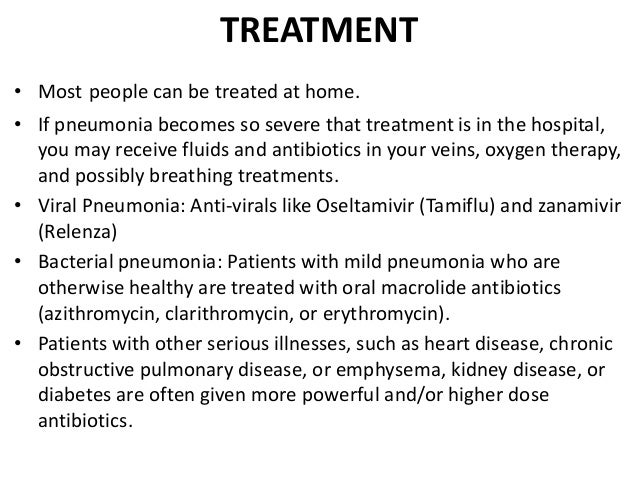
If your pneumonia was caused by a virus, time and rest are key to your recovery Viral pneumonia usually gets better on its own in 1 to 3 weeks But your doctor may recommend treatment that includes. Pneumonia is an infection in one or both of the lungs It causes the air sacs of the lungs to fill up with fluid or pus It can range from mild to severe, depending on the type of germ causing the infection, your age, and your overall health. Halm EA, Teirstein AS Clinical Practice Management of communityacquired pneumonia N Engl J Med 02 Dec 19;347(25) 3945 PMID Mandell LA, Wunderink RG, Anzueto A, et al Infectious Disease Society of America/American Thoracic Society consensus guidelines on the management of communityacquired pneumonia in adults.
A chest Xray, which is almost always done to check for changes in the lungs that may mean pneumonia and to look for other causes of your symptoms But an Xray does not always show whether you have pneumonia, especially if it is If a person's symptoms do not resolve, then additional testing may be performed to help diagnose less common pneumonia causes. Pneumonia is an infection of one or both of the lungs caused by bacteria, viruses, or fungi There are more than 30 different causes of pneumonia, and they’re grouped by the cause The main types of pneumonia are bacterial, viral, and mycoplasma pneumonia A cough that produces green, yellow, or bloody mucus is the most common symptom of. Persistent aspiration pneumonia is often due to anaerobes and it may progress to lung abscess or even bronchiectasis The usual site for an aspiration pneumonia is the apical and posterior segments of the lower lobe of the right lung If the patient is supine then the aspirated material may also enter the posterior segment of the upper lobes.
Medical Management The management of pneumonia centers is a stepbystep process that zeroes on the treatment of the infection through identification of the causative agent. Management All patients should receive appropriate O 2 therapy as indicated, targeting ≥94% saturation (or % in those at risk of hypercapnic respiratory failure) Any evidence of sepsis or septic shock should be managed and treated accordingly (discussed here) Confirmed pneumonia should be treated with empirical antibiotics, pending sensitivities. Pneumonia that develops in nonhospitalized patients is the most common infectious cause of death in the US and ranks second among reasons for hospitalization Persons over the age of 65 are at particularly high risk for pneumonia and about 85% of all pneumonia deaths occur in this population Pneumonia is the most common cause of sepsis and early antibiotic therapy for communityacquired.
Pneumonia commonly develops as a complication of other lower respiratory infections, such as bronchiolitis or laryngotracheobronchitis However, pneumonia may also occur as a result of invasion by bacteria, viruses, or fungi, chemical injury or direct lung injury Bacteria are the most common cause of pneumonia. Virus – The virus causing common influenza may also lead to pneumonia and the symptoms are also similar Once diagnosed, communityacquired pneumonia caused by viruses is treated by giving a lot of fluids to the patient. Nursing Management of Pneumonia In this post, we will review the nursing management of pneumonia We will begin by reviewing the pathophysiology, risk factors, signs and symptoms, and nursing interventions for pneumonia Then, an example nursing care plan will be explored to illustrate the knowledge a nursing student needs to know in order to care.
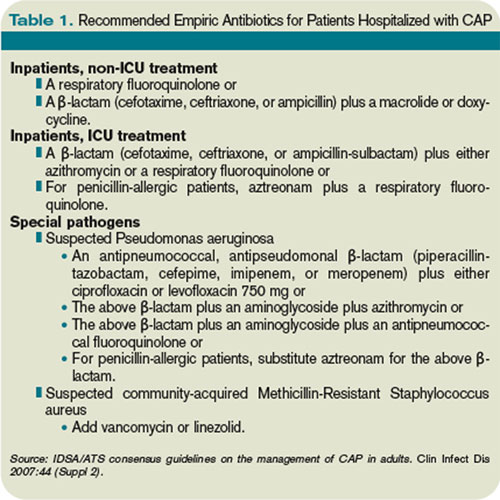
If communityacquired pneumonia is suspected, effective management hinges on the decision regarding where the patient should be treated in hospital or in the community This article describes the epidemiology and pathophysiology of pneumonia, and discusses the specific challenges of diagnosing and managing it in primary care. Initial outpatient therapy should include a macrolide or doxycycline For outpatients with comorbidities or who have used antibiotics within the previous three months, a respiratory fluoroquinolone (levofloxacin, gemi floxacin, or moxifloxacin), or an oral betalactam antibiotic plus a macrolide should be used. In determining site or level of care, options include outpatient, medical ward care, or medical intensive care unit (ICU) management Consider using the pneumonia severity index (PSI) score as a guide for inpatient care and mortality risk.
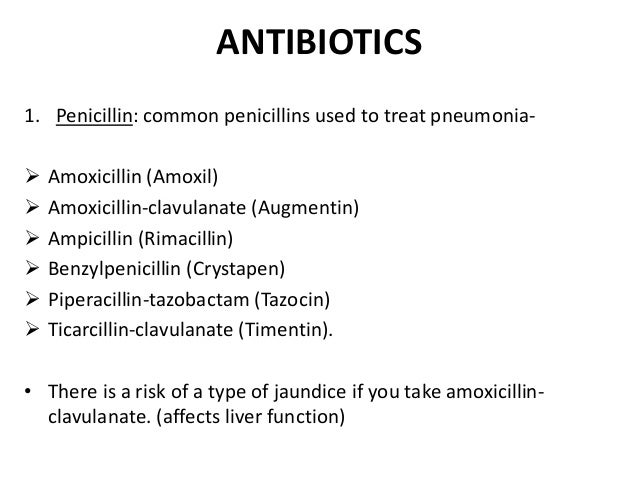
Treatment with erythromycin 125 mg/kg orally every 6 hours for 14 days or azithromycin mg/kg orally/IV once a day for 3 days typically resolves the pneumonia Occasionally, however, a second course may be necessary (see Table Recommended Dosages of Selected Oral Antibiotics for Neonates* ). Management Inpatient Management if risk of Pseudomonas infection See Healthcare Associated Multidrug Resistance Risk in Pneumonia ( MDR Score) Combination protocol use antibiotic 1 and antibiotic 2 in combination Antibiotic 1 Ticarcillin clavulanate ( Timentin) Piperacillin Tazobactam. Management Management of pneumonia includes supportive care, the appropriate use of antimicrobials, (see Tables 11 and 13) and hospitalization in selected cases The patient's age, the likely pathogen, (see Tables 6 and 7) and the severity of the illness direct the management Hospital admission is mandatory in any patient with hypoxemia, respiratory distress, a neonate, or underlying disease (including sickle cell disease, malignancy, immunosuppression, etc).
HealthcareAssociated Pneumonia Guidelines for Preventing HealthCareAssociated Pneumonia, 03 pdf icon 179 pages CDC and the Healthcare Infection Control Practices Advisory Committee developed these recommendations;. How pneumonia is treated depends on the germs that cause it Bacterial pneumonia Bacterial pneumonia is usually treated with antibiotics The specific antibiotic choice depends on such factors as your general health, other health conditions you may have, the type of medications you are currently taking (if any), your recent (if any) use of antibiotics, any evidence of antibiotic resistance in the local community and your age. Abstract Pneumonia, an inflammatory infiltrate of the alveolar airspace, is commonly triggered by bacterial infection of the lungs, or less commonly by viral or fungal infection It remains the commonest infective reason for admission to intensive care as well as being the most common secondary infection acquired whilst in the intensive care unit (ICU).
The line of treatment varies with different pneumoniacausing agents Bacteria – Communityacquired Pneumonia caused by bacteria is treated with antibiotic treatments;. Moscona A Management of respiratory syncytial virus infections in the immunocompromised child Pediatr Infect Dis J 00 Mar 19(3)2534 Swedish Consensus Group Management of infections caused by respiratory syncytial virus Scand J Infect Dis 01 33(5)3238. Medical Management Available data pdf icon 524 MB, 114 pages demonstrate that in severe S pneumoniae cases, the bacteria are fully resistant to one or more clinically relevant antibiotics Following the introduction of the 7valent pneumococcal conjugate vaccine (PCV7) in 00, antibiotic resistance initially declined before increasing again.
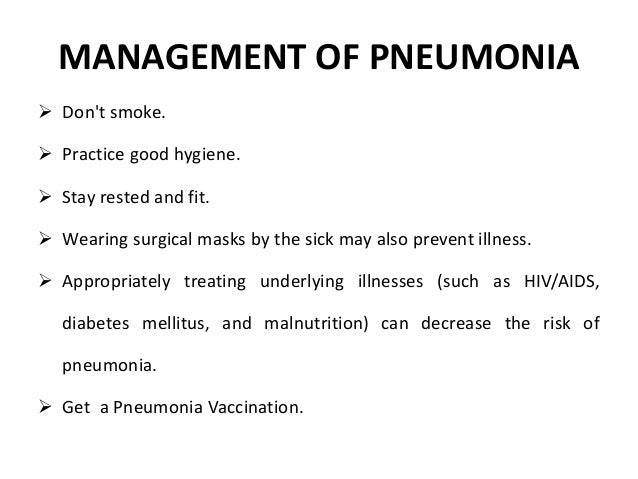
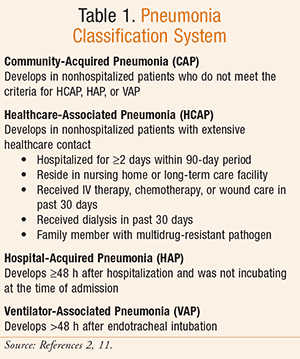
Some techniques that people can use to try to prevent getting sick include washing the hands frequently with warm water and soap getting a flu shot avoiding touching the nose or mouth getting enough sleep exercising regularly eating plenty of fresh fruits and vegetables practicing physical. Recent changes in clinical practice guidelines for the management of hospitalacquired pneumonia (HAP) and ventilatorassociated pneumonia (VAP) suggest that the previous guidelines that recognized healthcareassociated pneumonia (HCAP) as a distinct category of pneumonia that develops in nonhospitalized with exposure to healthcare (eg, longterm care facilities, hemodialysis, home infusion. If bacterial pneumonia or sepsis is suspected, administer empiric antibiotic treatment, reevaluate the patient daily, and deescalate or stop antibiotics if there is no evidence of bacterial infection See Therapeutic Management of Patients With COVID19 for recommendations regarding SARSCoV2–specific therapy Severe Illness.
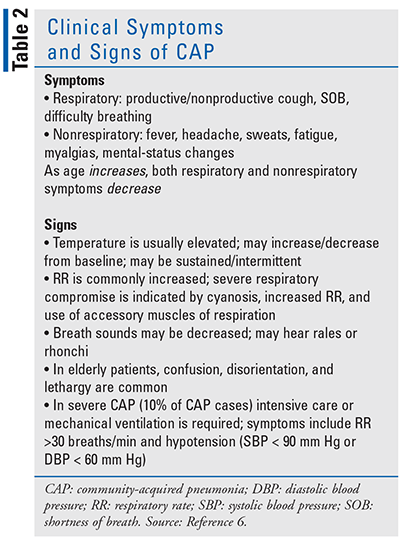
Fever sudden onset, high fever, usually associated with rigor and vomiting Chest pain Pleuritic chest pain It is occasionally referred to the shoulder or anterior abdominal wall A cough short, painful, at first dry, later become productive and may become rustcolored or even frankly blood. Bacterial pneumonia, which is the most common form, tends to be more serious than other types of pneumonia, with symptoms that require medical care The symptoms of bacterial pneumonia can develop gradually or suddenly Fever may rise as high as a dangerous 105 degrees F, with profuse sweating and rapidly increased breathing and pulse rate. General management Oxygen as appropriate to achieve target oxygen saturations (see Oxygen and Oximetry guidance) 9498% for most patients;.
Pneumonia can be acquired in various settings Causative germs and treatment may differ depending on whether you have communityacquired pneumonia (CAP), hospitalacquired pneumonia, or health care–associated pneumonia Many cases of pneumonia can be treated at home. Pneumonia is the most common invasive bacterial infection after primary sepsis Earlyonset pneumonia is part of generalized sepsis that first manifests at or within hours of birth (see Neonatal Sepsis) Lateonset pneumonia usually occurs after 7 days of age, most commonly in neonatal intensive care units among infants who require prolonged. Viral pneumonia is a lung infection caused by a virus, such as influenza You can get a viral infection by breathing in the virus or by touching something that has the virus on it Viral pneumonia can develop if a virus in your body travels to your lungs.
Antiviral drugs are important in the management of seasonal influenza and critical to pandemic planning Although several other classes of antiinfluenza compounds exist, the neuraminidase (NA) inhibitors are currently the only option in most clinical settings These drugs, zanamivir and oseltamivir.

Overview Of Community Acquired Pneumonia In Adults Uptodate
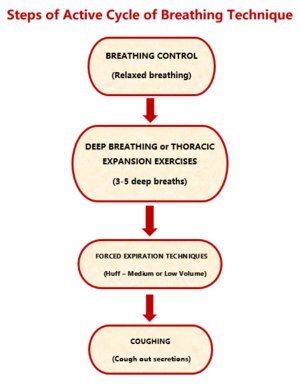
Pneumonia Physiopedia
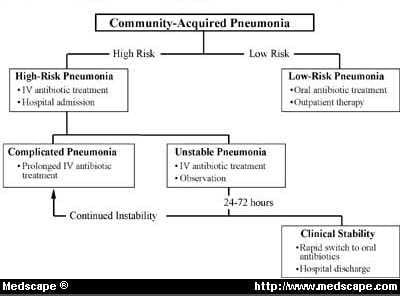
Community Acquired Pneumonia In The 21st Century

The Management Of Community Acquired Pneumonia In The Elderly European Journal Of Internal Medicine
What Is The Proper Duration Of Antibiotic Treatment In Adults Hospitalized With Community Acquired Pneumonia The Hospitalist
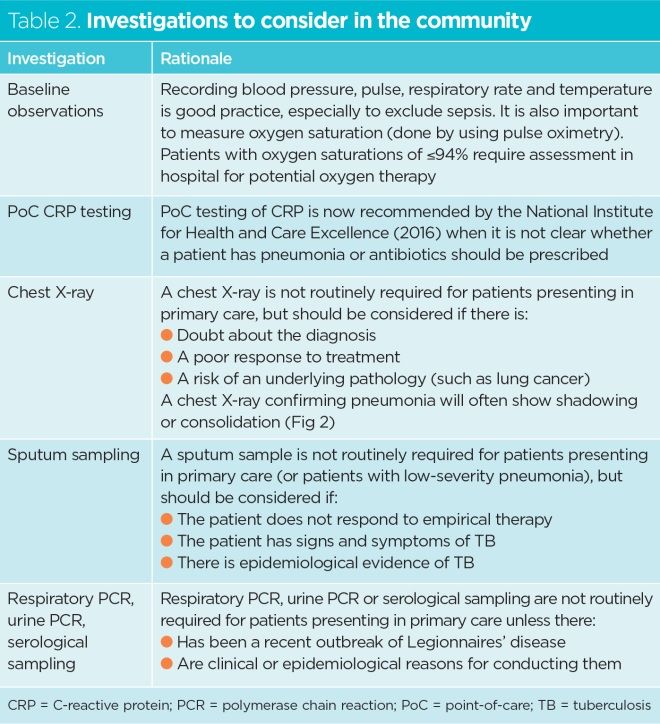
Challenges Of Diagnosing And Managing Pneumonia In Primary Care Nursing Times
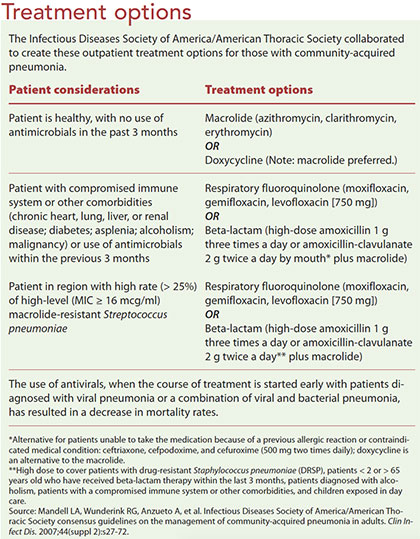
Community Acquired Pneumonia American Nurse Today

Updated Clinical Practice Guidelines For Community Acquired Pneumonia

Aspiration Pneumonia Nejm
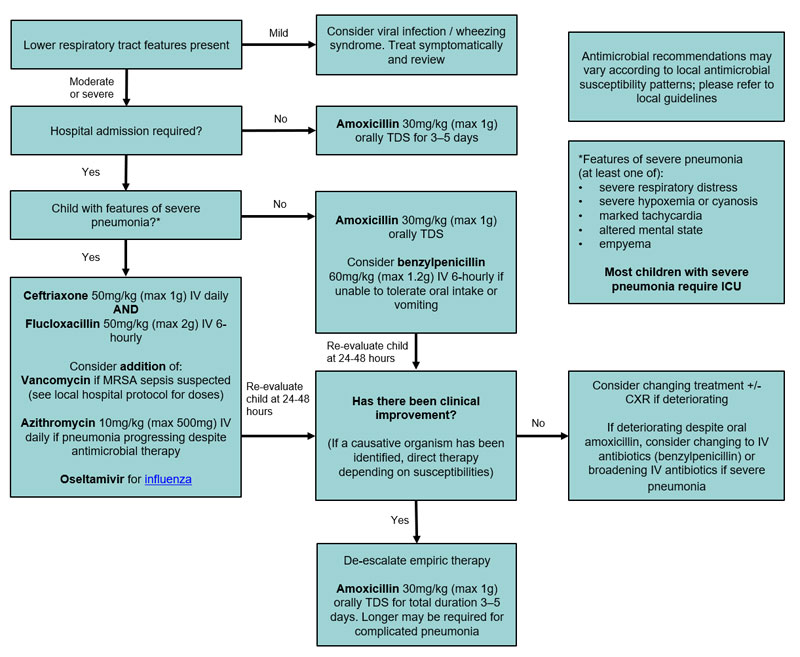
Clinical Practice Guidelines Community Acquired Pneumonia
Plos One Revisiting Community Case Management Of Childhood Pneumonia Perceptions Of Caregivers And Grass Root Health Providers In Uttar Pradesh And Bihar Northern India

Challenges Of Diagnosing And Managing Pneumonia In Primary Care Nursing Times
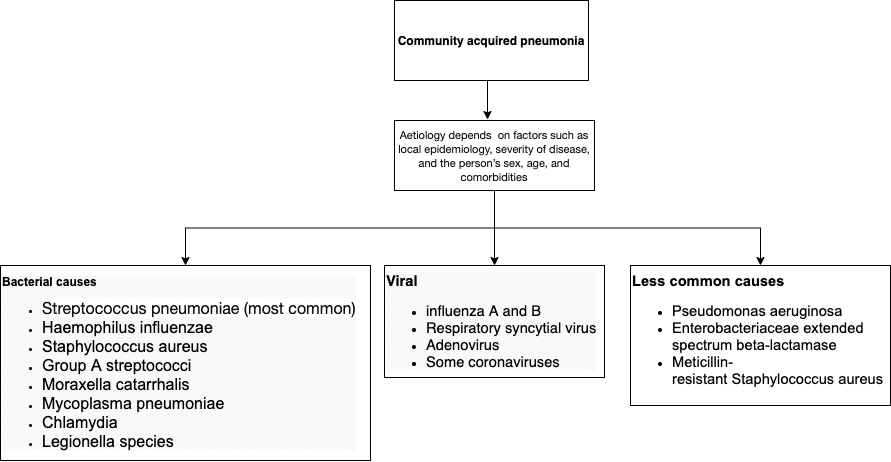
Differentiating Viral From Bacterial Pneumonia The Centre For Evidence Based Medicine
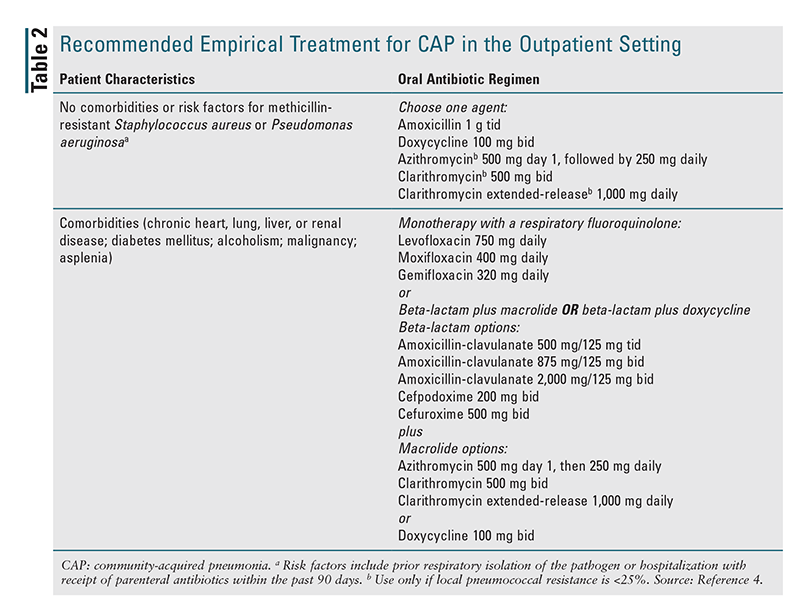
Updated Clinical Practice Guidelines For Community Acquired Pneumonia

Pdf Management Of Community Acquired Pneumonia In Infants And Children Clinical Practice Guidelines Endorsed By The Saudi Pediatric Infectious Diseases Society
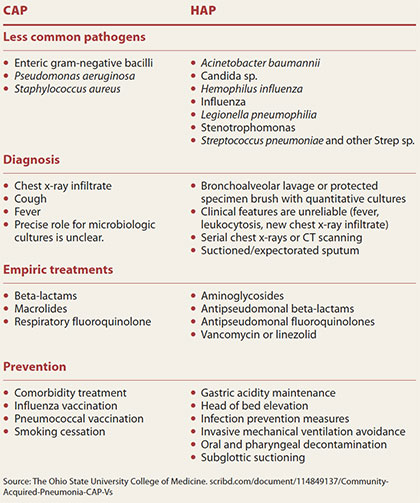
Community Acquired Pneumonia American Nurse Today
Plos One Revisiting Community Case Management Of Childhood Pneumonia Perceptions Of Caregivers And Grass Root Health Providers In Uttar Pradesh And Bihar Northern India
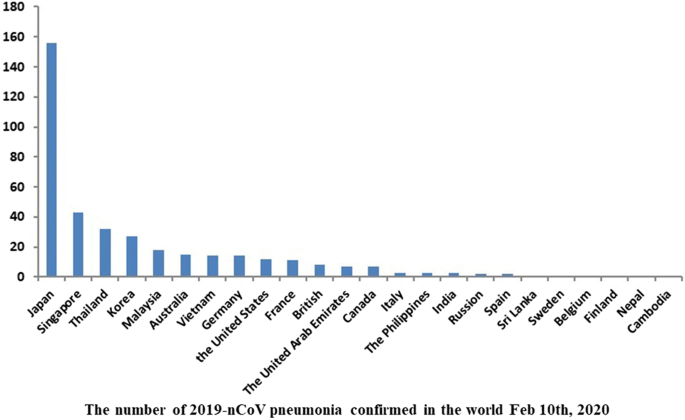
19 Novel Coronavirus Of Pneumonia In Wuhan China Emerging Attack And Management Strategies Clinical And Translational Medicine Full Text
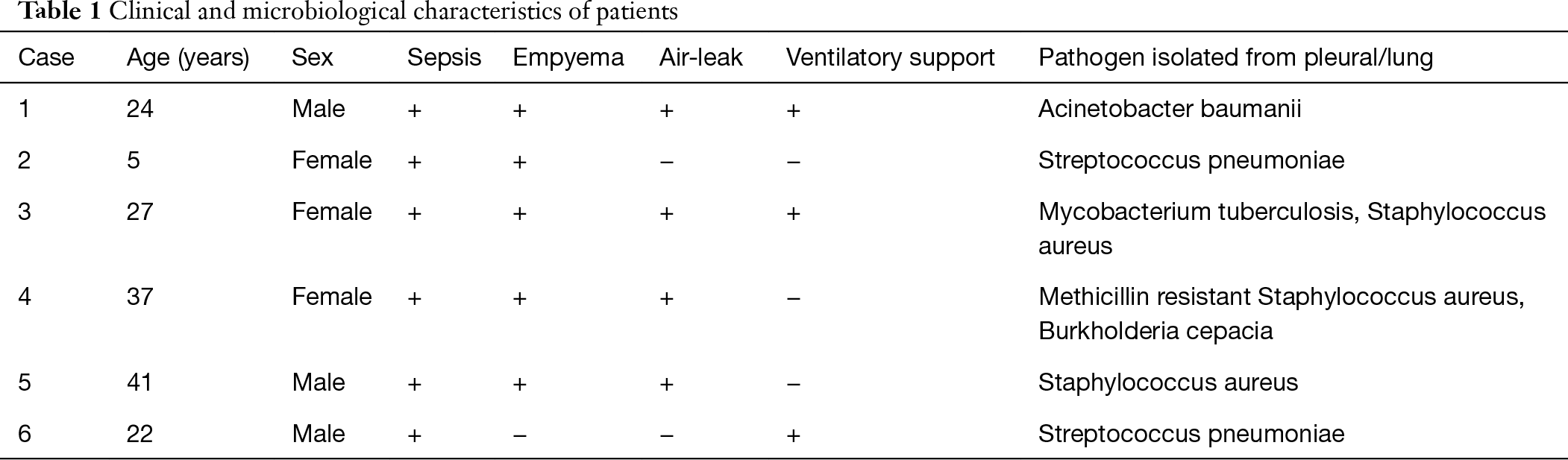
Role Of Surgery In The Management Of Necrotizing Pneumonia Ali Journal Of Visualized Surgery
The Official Chinese Government Guide To Diagnosing And Treating The Novel Coronavirus By Balaji S Srinivasan Medium

Diagnosis And Management Of Community Acquired Pneumonia In Adults American Family Physician

Timby Smith Introductory Medical Surgical Nursing 10 E Ppt Video Online Download

Medical Management For Pneumonia Pneumonia Influenza
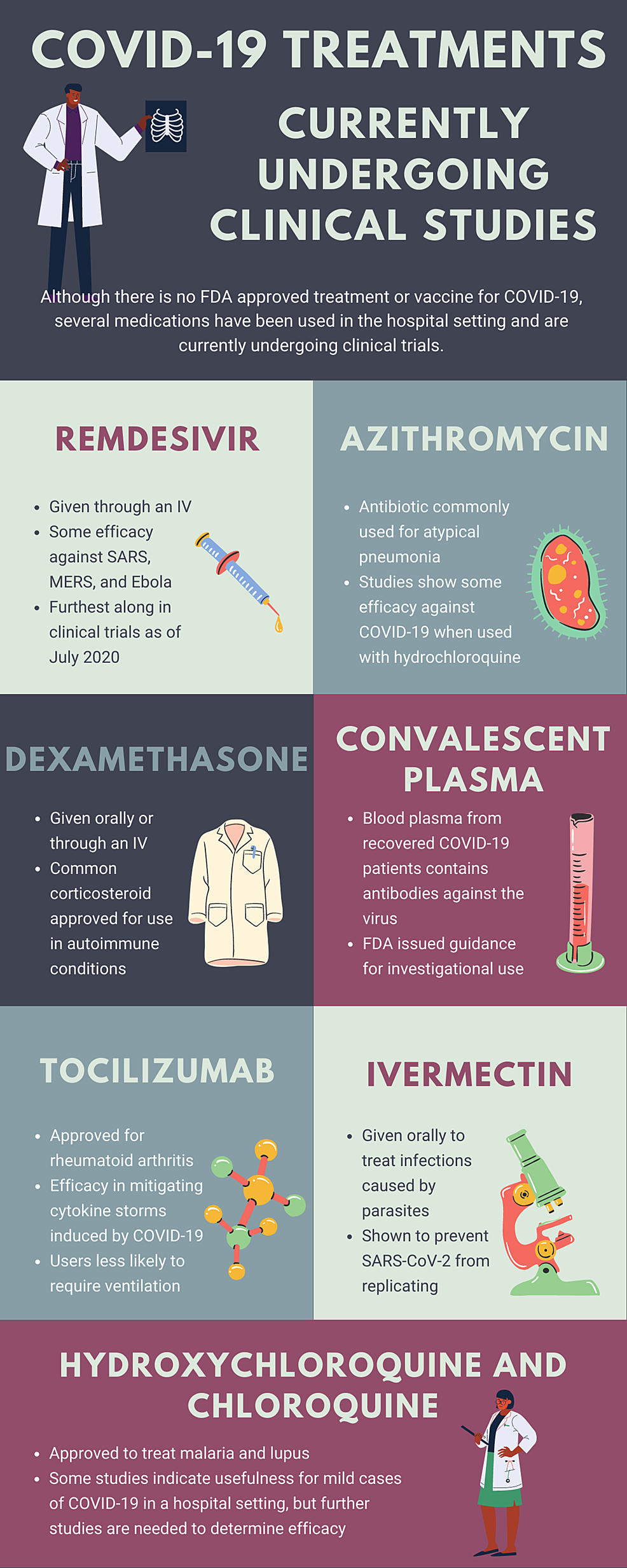
P8e Ythpccqp4m

When To Consider The Use Of Antibiotics In The Treatment Of 09 H1n1 Influenza Associated Pneumonia Nejm

New Study Review Diagnosis And Management Of Pediatric Complicated Pneumonia Using The Karius Test Karius

Pneumonia Types Classification Symptoms Management Respiratory Medicine Lecturio Youtube

Pneumonia Nursing Care Management And Study Guide

Overview Of Community Acquired Pneumonia In Adults Uptodate
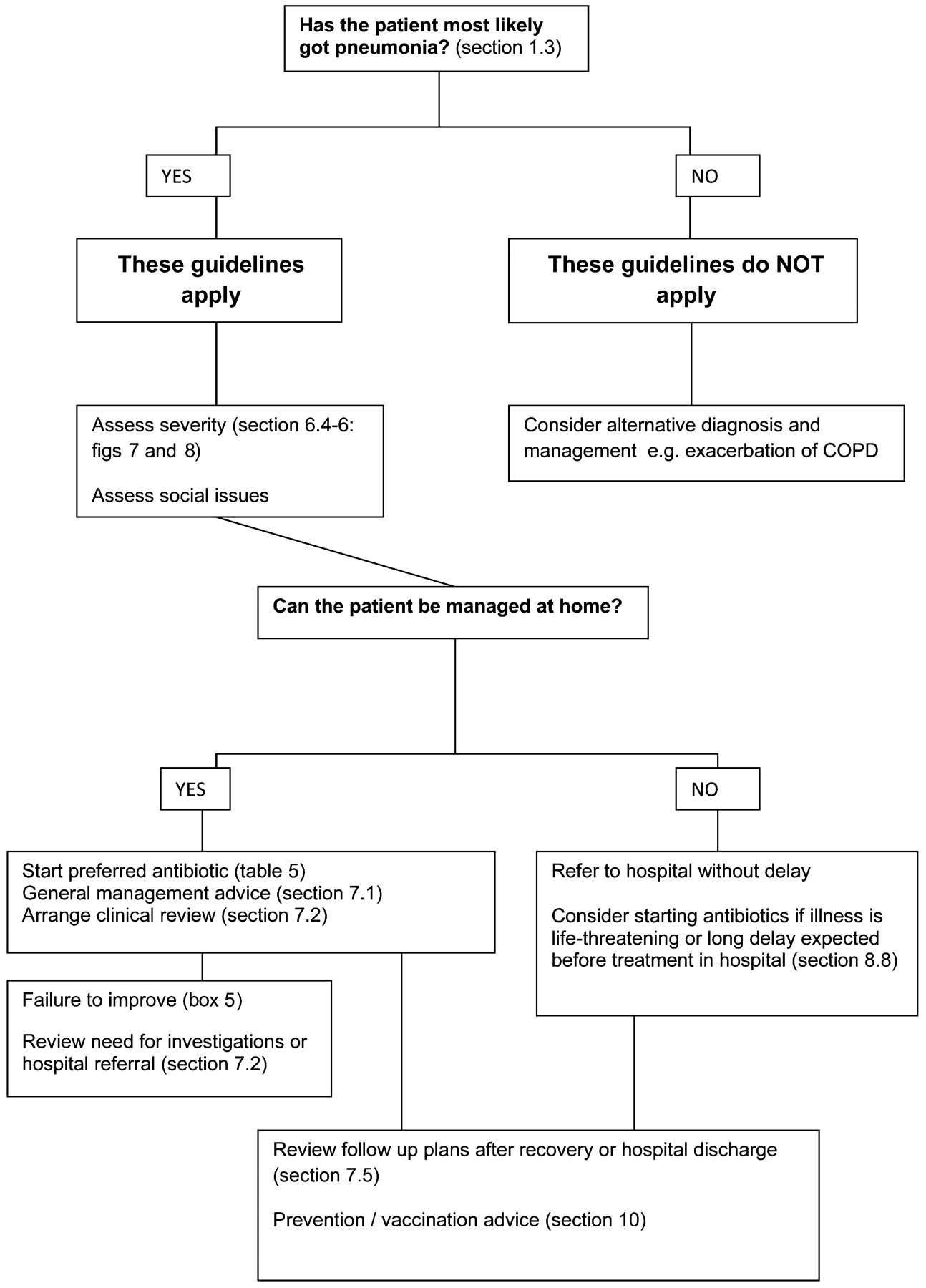
Bts Guidelines For The Management Of Community Acquired Pneumonia In Adults Update 09 Thorax

Pneumonia Harvard Health
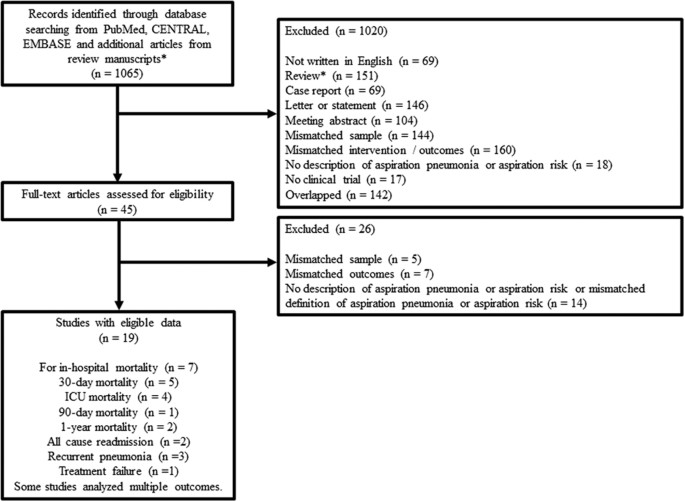
Prognostic Implications Of Aspiration Pneumonia In Patients With Community Acquired Pneumonia A Systematic Review With Meta Analysis Scientific Reports
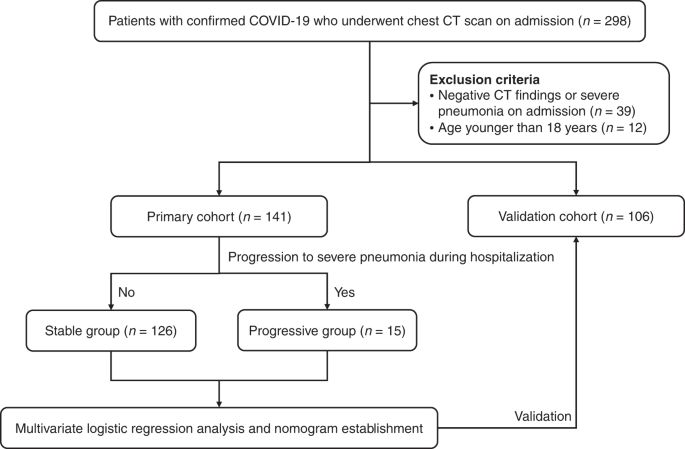
Early Prediction Of Disease Progression In Covid 19 Pneumonia Patients With Chest Ct And Clinical Characteristics Nature Communications

Diagnosis And Management Of Community Acquired Pneumonia In Childhood South African Thoracic Society Guidelines Semantic Scholar
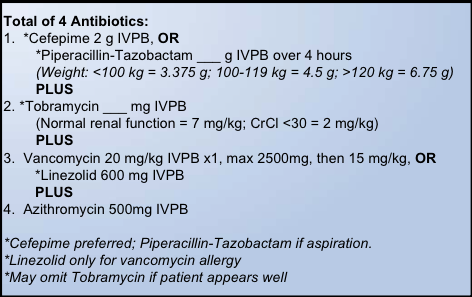
Emergencykt Highlights Evaluation And Treatment Of Pneumonia Taming The Sru

Current Guidelines For Outpatient Treatment Of Community Grepmed

National Health Commission Develops Health Management Plan For Discharged Patients With New Coronary Pneumonia Teller Report

Medical Expert System Pneumonia Treatment Done Easy By Visirule Issuu
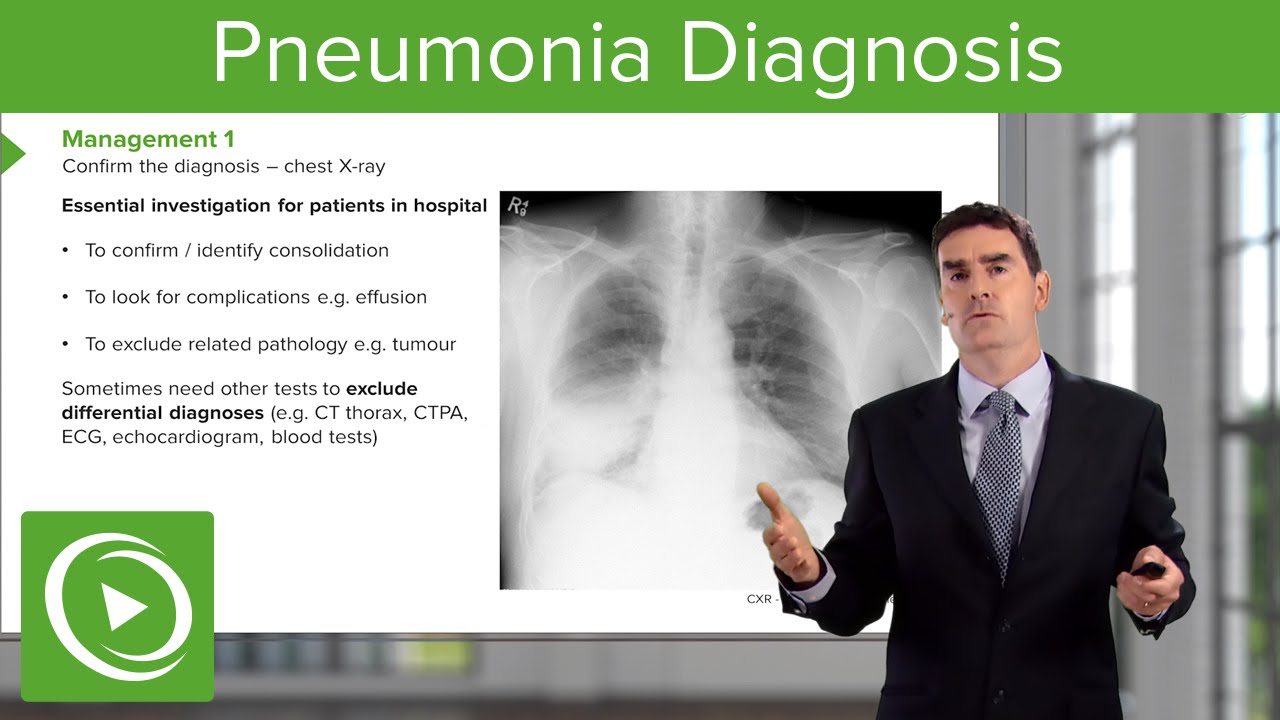
Pneumonia Diagnosis Principles Of Management Respiratory Medicine Lecturio Youtube

Pdf Inpatient Management Of Community Acquired Pneumonia At The European Gaza Hospital A Clinical Audit

To Treat Or Not To Treat Anaerobes In Aspiration Pneumonia

What You Need To Know About Hospital Acquired Pneumonia Article Nursingcenter

Community Acquired Pneumonia Cancer Therapy Advisor

Pneumocystis Pneumonia Nejm

Challenges In The Diagnosis Of Paediatric Pneumonia In Intervention Field Trials Recommendations From A Pneumonia Field Trial Working Group The Lancet Respiratory Medicine

Community Acquired Pneumonia Clinical Decision Support Training Primary Care Setting Agency For Healthcare Research And Quality

Hospital Acquired Pneumonia Pulmonology Advisor

Treatment Of Nursing Home Acquired Pneumonia American Family Physician

Diagnosis And Treatment Of Community Acquired Pneumonia American Family Physician
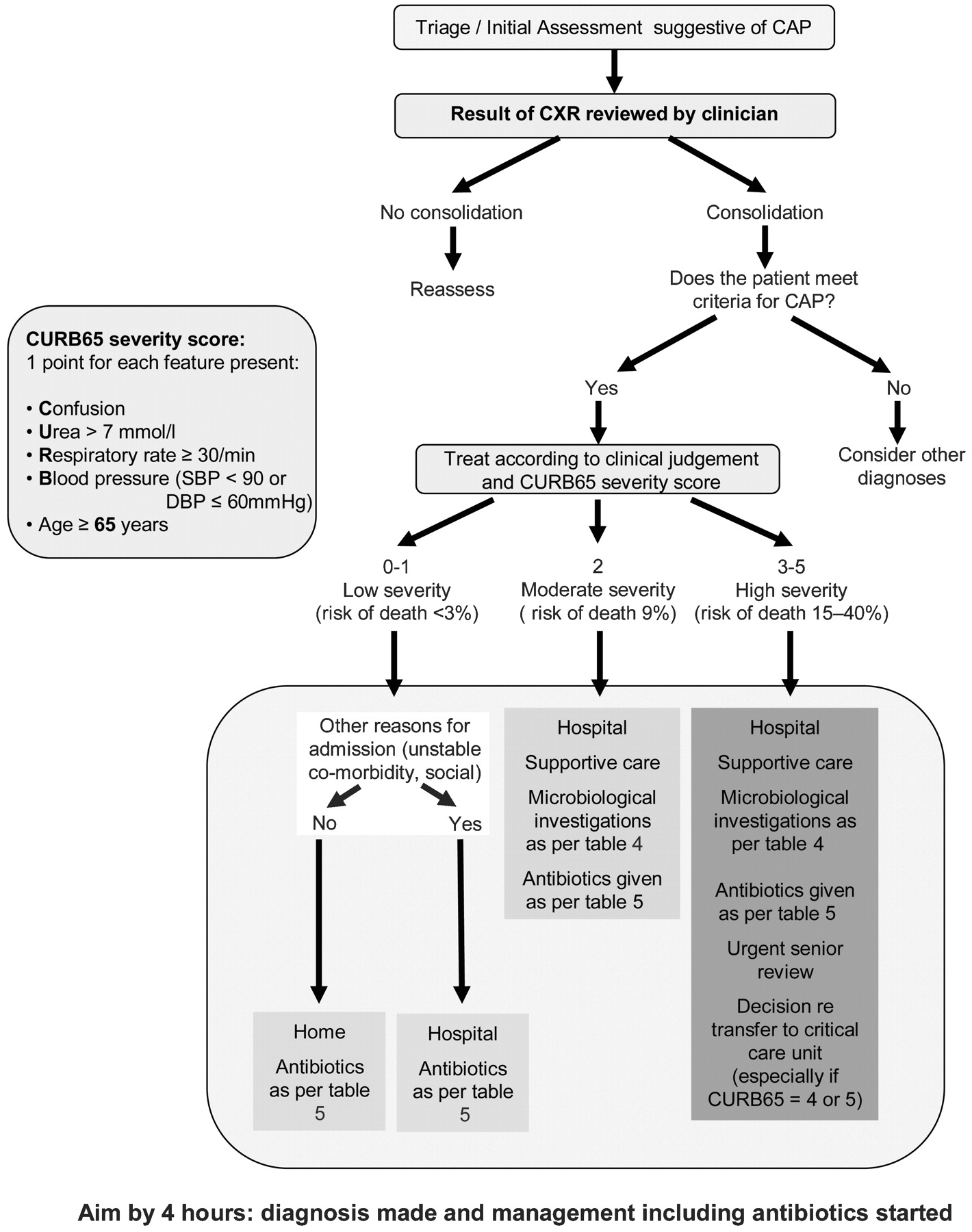
Bts Guidelines For The Management Of Community Acquired Pneumonia In Adults Update 09 Thorax
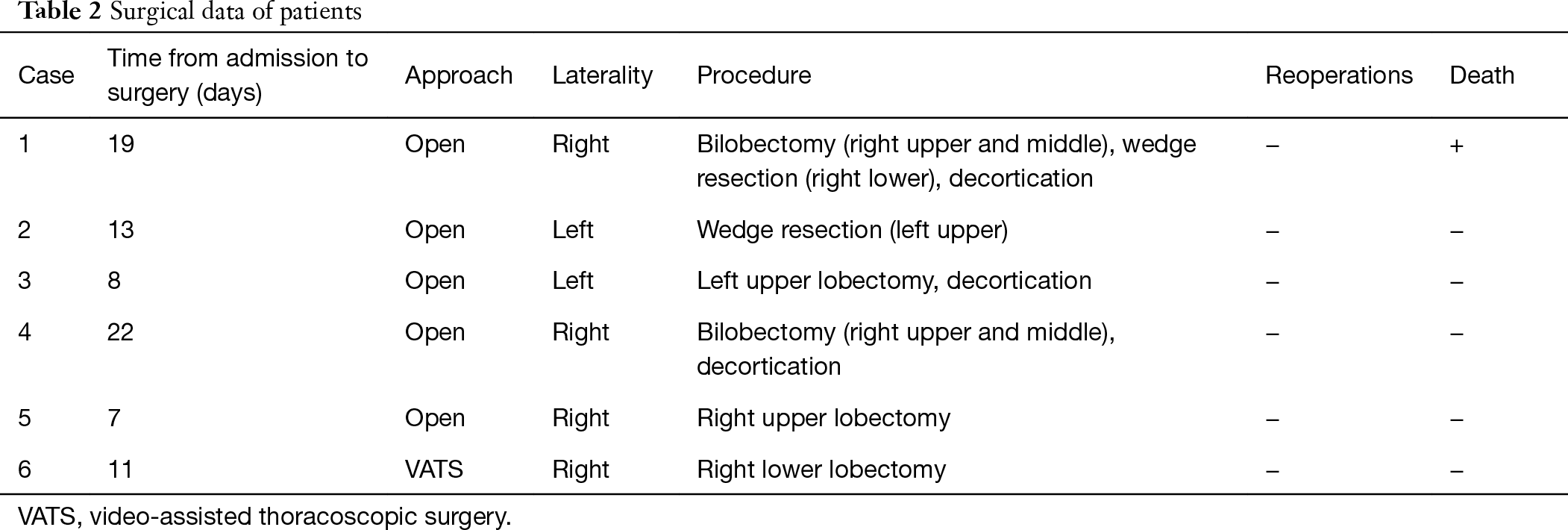
Role Of Surgery In The Management Of Necrotizing Pneumonia Ali Journal Of Visualized Surgery
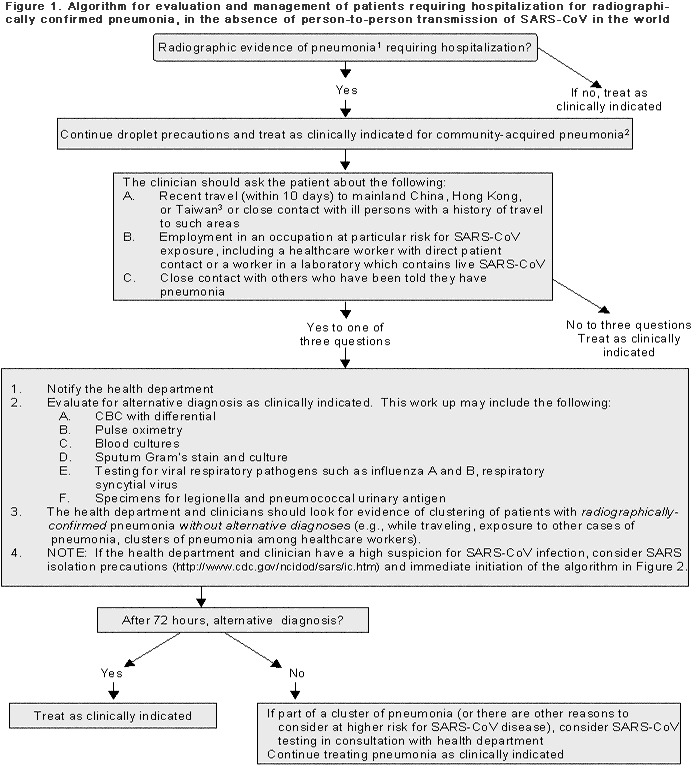
Sars Clinical Id And Eval Of Those Acquired Illness Flowchart Fig1 Cov Disease Cdc
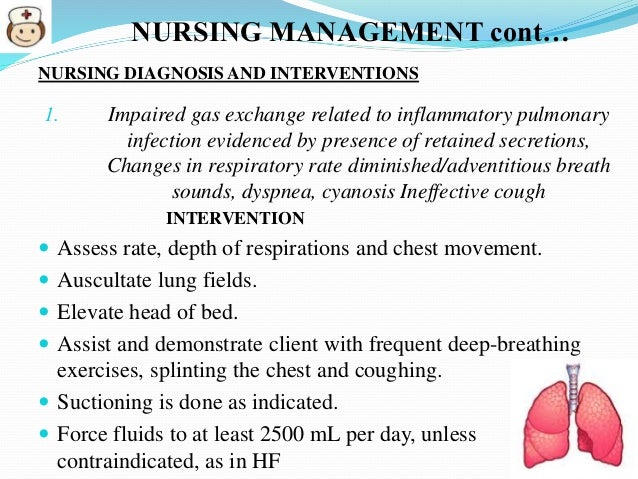
Pneumonia Seminar Presentaation
Revisiting Community Case Management Of Childhood Pneumonia Perceptions Of Caregivers And Grass Root Health Providers In Uttar Pradesh And Bihar Northern India

Diagnosis And Management Of Community Acquired Pneumonia In Adults American Family Physician

Community Acquired Pneumonia Empiric Antimicrobial Therapy Consultant360
Pneumonia
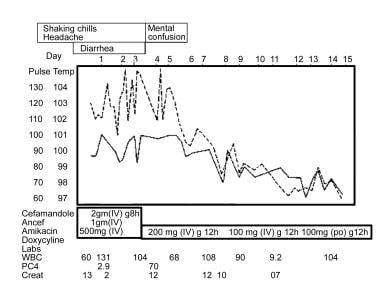
Community Acquired Pneumonia Cap Practice Essentials Overview Etiology Of Community Acquired Pneumonia

Community Acquired Pneumonia Empiric Antimicrobial Therapy Consultant360

Pneumonia Harvard Health

Signs Management Of Pneumonia Sgh

Pneumonia Physiopedia
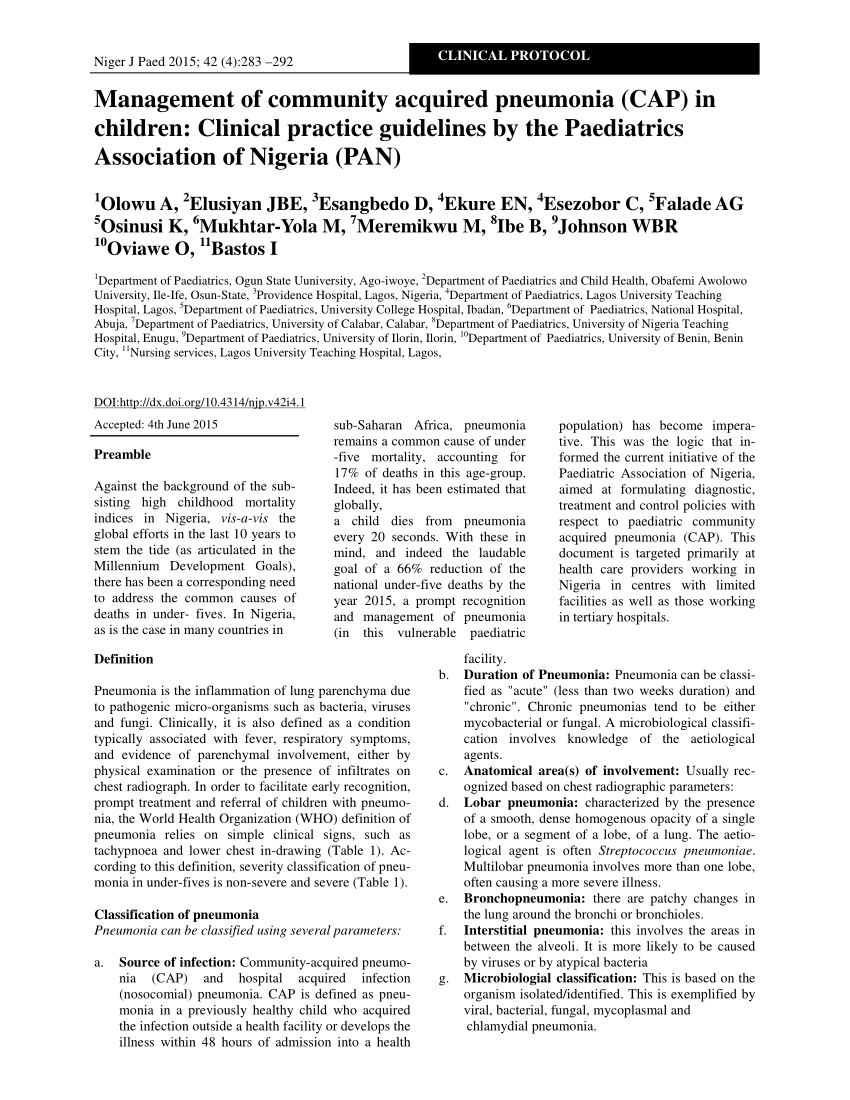
Pdf Management Of Community Acquired Pneumonia Cap In Children Clinical Practice Guidelines By The Paediatrics Association Of Nigeria Pan

Aspiration Pneumonia Nejm

The Atypical Pneumonias Clinical Diagnosis And Importance Clinical Microbiology And Infection
Pneumonia

Community Management Of Pneumonia And Suspected Covid 19 Learning Article Pharmaceutical Journal

Pneumonia Pneumonia Immunology

Clinical Course And Outcomes Of Critically Ill Patients With Sars Cov 2 Pneumonia In Wuhan China A Single Centered Retrospective Observational Study The Lancet Respiratory Medicine
Pneumonia
Nursing Management Of Pneumonia And Disease Process Rnspeak
Everything You Need To Know About The New Ats Idsa Community Acquired Pneumonia Guidelines Foamid
Patients With Aspiration Pneumonia Journal Of Hospital Medicine

Bts Guidelines For The Management Of Community Acquired Pneumonia In Adults Update 09 Thorax
Pneumonia In Children

Pdf Medical Management Of Pneumonia In Children Aged Under 5 Years In Alexandria Egypt Mothers Perspective

Bts Guidelines For The Management Of Community Acquired Pneumonia In Adults Update 09 Thorax

Full Text Antibacterial Treatment Of Aspiration Pneumonia In Older People A Sys Cia

Medical Surgical Nursing An Integrated Approach 2e Chapter Ppt Video Online Download
Pneumonia

Laboratory Diagnosis Of Pneumonia In The Molecular Age European Respiratory Society

Congenital Pneumonias Cancer Therapy Advisor

Diagnosis And Management Of Community Acquired Pneumonia In Adults American Family Physician
Antimicrobial Therapy For Community Acquired Pneumonia
Differentiating Viral From Bacterial Pneumonia The Centre For Evidence Based Medicine


