Medical Management Of Burns

Management Of Burns Crash Medical Review Series Youtube
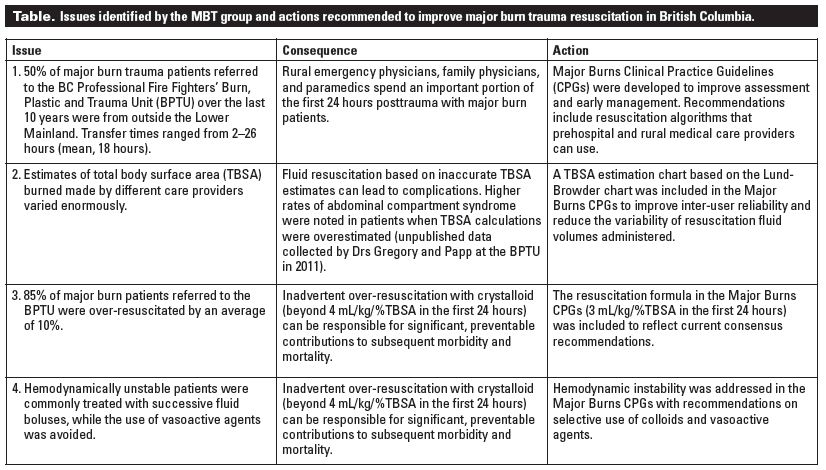
Provincial Clinical Practice Guidelines For The Management Of Major Burn Trauma British Columbia Medical Journal

Emergency Care For Burns
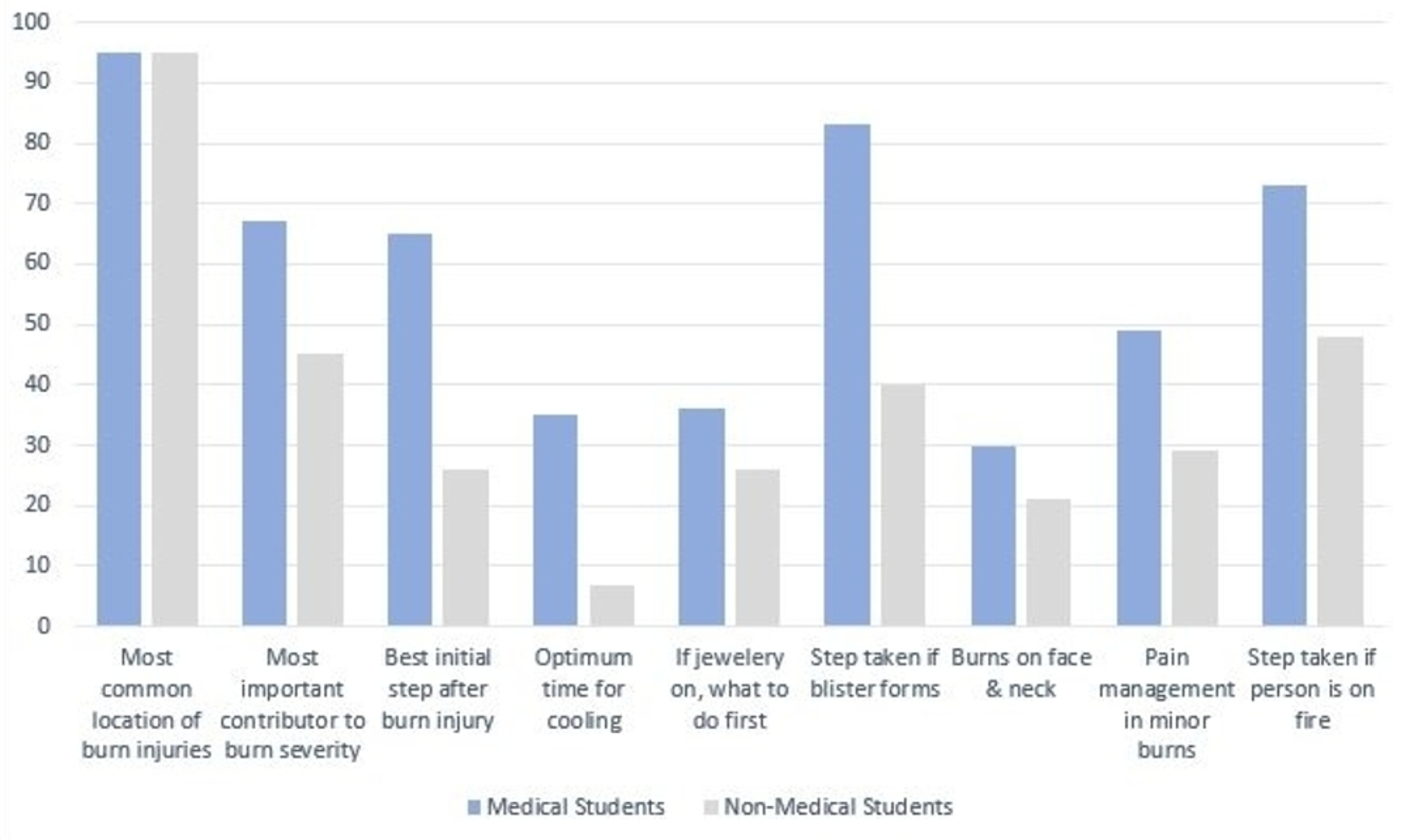
Cureus Survey On Knowledge Of First Aid Management Of Burns Amongst Medical And Non Medical Students In Karachi Pakistan Need For An Educational Intervention
2

Ambulatory Management Of Burns American Family Physician
Infection is one of the most frequent and serious complications of burns – Hygiene precautions (eg sterile gloves when handling patients) – Rigorous wound management (dressing changes, early excision) – Separate “new” patients (< 7 days from burn) from convalescent patients (≥ 7 days from burn).
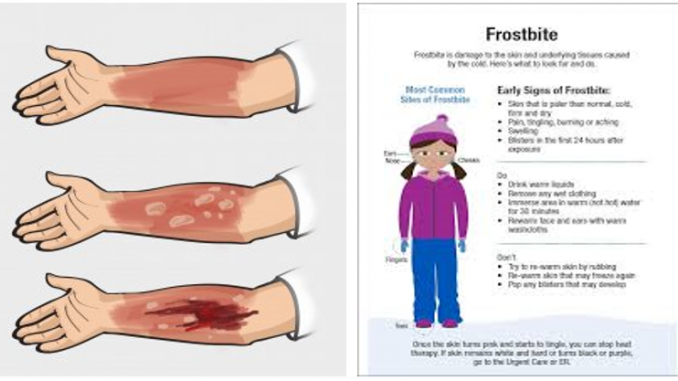
Medical management of burns. Burns are tissue damage brought on by heat, chemicals, electricity, radiation or the sun Nearly half a million Americans seek medical care for accidental burns each year Firstdegree burns, and most seconddegree burns, heal with athome treatments Thirddegree burns can be lifethreatening and require specialized medical care. To heal burn injuries Apply dressings with moist healing products, which encourage the building up the new epithelial tissues Silver sulphadiazine cream should not be used more than a week in case of noninfected burn injuries After using silver sulphadiazine cream or an antimicrobial dressing. About Burns, External The treatment of burns depends on the depth, area and location of the burn Burn depth is generally categorised as first, second or third degree A first degree burn is superficial and has similar characteristics to a typical sun burn The skin is red in colour and sensation is intact In fact, it is usually somewhat painful.
Treating burns and scalds To treat a burn, follow the first aid advice below immediately get the person away from the heat source to stop the burning cool the burn with cool or lukewarm running water for minutes – don't use ice, iced water, or any creams or greasy substances such as butter. The first step in treating a major burn is to call 911 or seek emergency medical care Steps to take until emergency arrives include Make sure you and the person who’s burned are safe and out. The current goal in the care of patients with burns is to improve functional and cosmetic outcomes Skin care and the toxic effects of smoke inhalation on the lungs are the two major clinical.
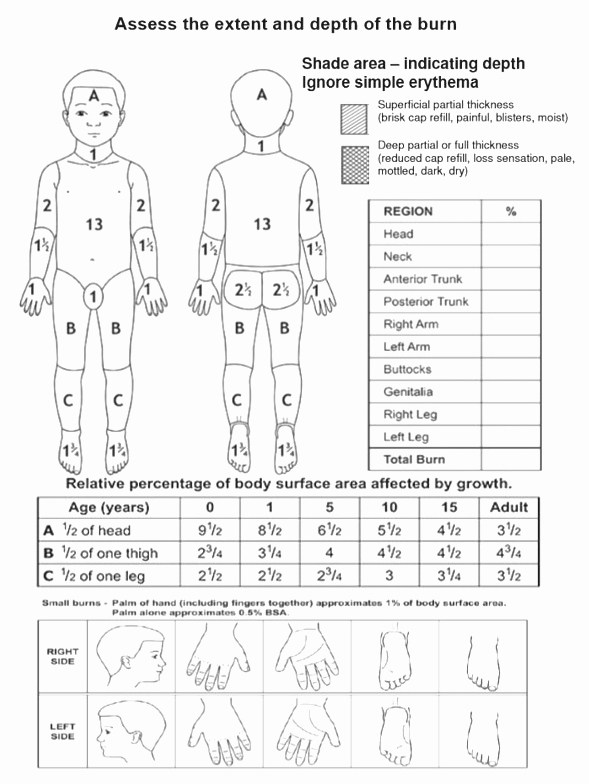
These are the assessment of the total body surface area (TBSA) or extent of the burn wound and the assessment of the depth of the burn wound These are of paramount importance because the assessment of the TBSA determines the level of fluid resuscitation, while the assessment of the depth of the burn wound determines the need for surgical debridement, rather than a conservative approach. In 11, approximately 450,000 patients in the United States suffered burnrelated injuries requiring medical treatment Of these, 45,000 required hospitalization, with 3,500 injuries resulting in burn or firerelated deaths 1 Despite significant advances in burn management and critical care, including early excision and grafting. The basic components of an interdisciplinary burn rehabilitation program are wound care, range of motion, pressure garments, splinting and casting, conditioning and strengthening, psychological assessment and intervention, and longterm medical rehabilitation followup.
CT also has been shown to be helpful in the case of inhalation injury for measuring bronchial wall thickness 27 Laboratory studies are an important part of burn management and should include a complete blood count, clotting studies, serum chemistries, and urinalysis An electrocardiogram should be obtained in patients to detect arrhythmias from electrolyte disturbances. Instant and appropriate planning of the burn centre Presence of adequate number of medical and paramedical personnel Very good coordination between burn centre and the adjacent medical institute Full time monitoring and supervision by the heads of two institutions Availability of personnel with. Skin Conditioning skin lubrication should be performed several times a day (to prevent dry skin from splitting b/c of shearing forces or over stretching during movement & exercise) skin massage to desensitize the hypersensitive grafted or burn scars use sunblock or avoid protected sun exposure.
Immediate measures in case of severe burns Airway management intubation and high flow oxygen therapy is indicated if an inhalation injury is suspected or if Begin initial fluid resuscitation with crystalloids , usually lactated Ringer's solution ( RL ) In adults and children ≥ In adults and. Apply gauze or a loose bandage over the burn Use overthecounter pain medication for any pain Good choices include antiinflammatory medication such as ibuprofen, diclofenac or naproxen. Treatment Medical treatment After you have received first aid for a major burn, your medical care may include medications and Physical and occupational therapy If the burned area is large, especially if it covers any joints, you may need Surgical and other procedures Breathing assistance.
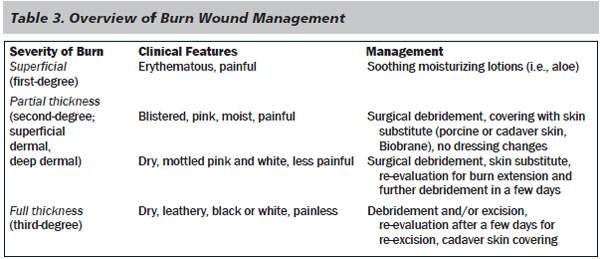
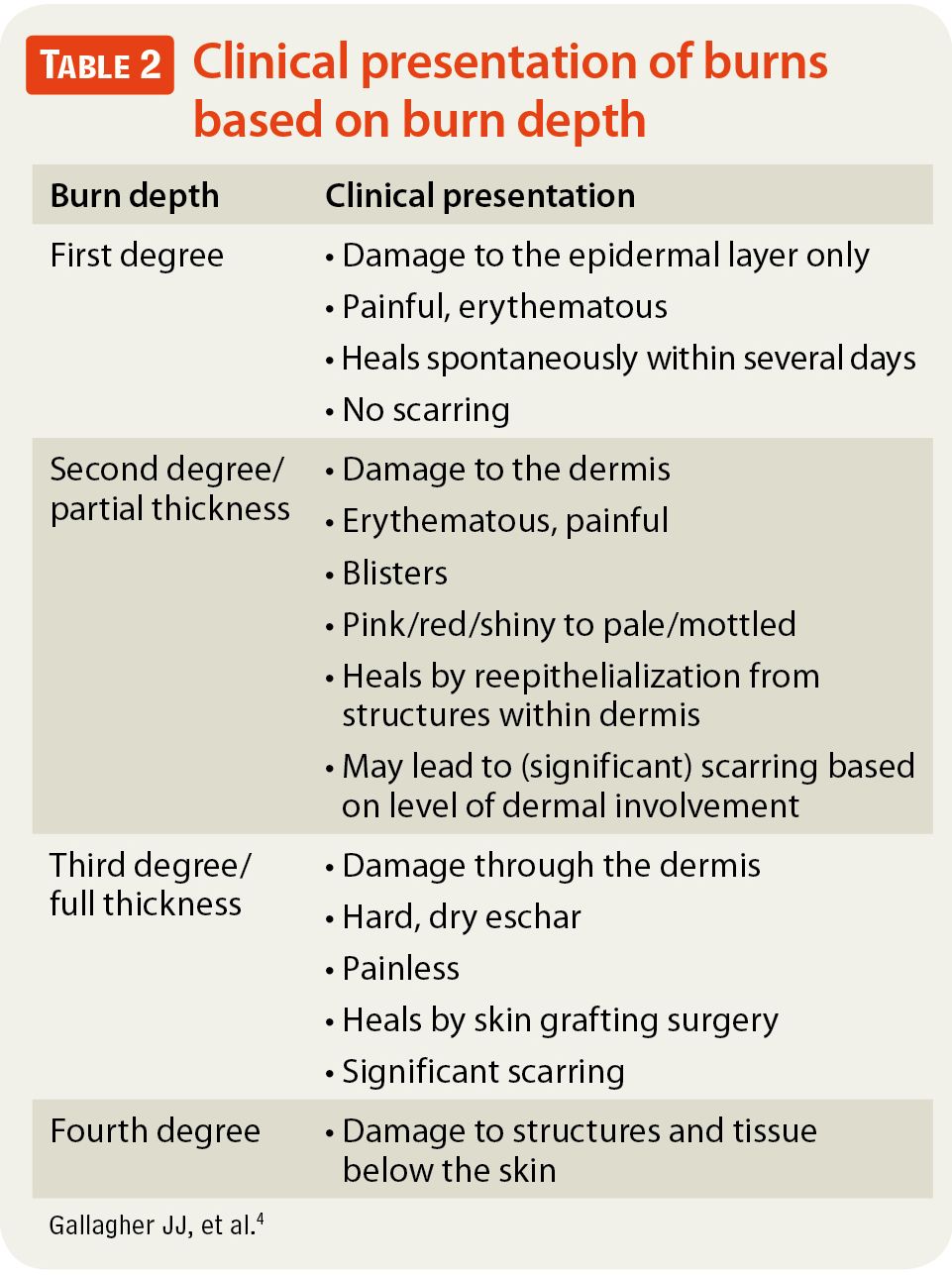
Indications for airway assessment include the presence of pharyngeal burns, air hunger, stridor, carbonaceous sputum, and hoarseness (2) All patients with major burns must receive highflow oxygen for 24 hours (3) Always consider carbon monoxide poisoning in burn patients. Burn Treatment Burn management is typically based on the severity of the wound, and the goals are to prevent shock, relieve pain and discomfort, and reduce the risk of infection 1 Pathogens are present everywhere, and any breach in the skin, especially burns, can lead to infection. • First degree burns usually heal without further treatment However, if a firstdegree burn covers a large area of the body, or the victim is an infant or elderly, seek emergency medical attention SecondDegree Burns Seconddegree burns involve the first two layers of skin Signs • Deep reddening of the skin • Pain • Blisters.
Most burns can be treated at home People might need a dressing to keep the area clean and to stop germs from getting in Third and fourth degree burns must be treated in the hospital, by the burn team This is because these burns can’t heal on their own The burn team will change the dressings a couple of times a week or whenever it’s needed. The burn site appears red, blistered, and may be swollen and painful Thirddegree (full thickness) burns Thirddegree burns destroy the epidermis and dermis Thirddegree burns may also damage the underlying bones, muscles, and tendons The burn site appears white or charred There is no sensation in the area since the nerve endings are destroyed. Victims of electrical burns should always seek medical care For chemical burns Remove the chemical from contact with the victim Identify the chemical that was involved Contact the Poison Control Center in your area or your local hospital's emergency department The United States National Poison Hotline is.
A burn is an injury to the skin or other organic tissue primarily caused by heat or due to radiation, radioactivity, electricity, friction or contact with chemicals Skin injuries due to ultraviolet radiation, radioactivity, electricity or chemicals, as well as respiratory damage resulting from smoke inhalation, are also considered to be burns. Burn wound management FACADE = First aid, Analgesia, Clean, Assess, Dress, Elevate General burn management Limit debridement to wiping away clearly loose/blistered skin ;. A few decades ago, burns covering half the body were often fatal Now, thanks to research—a large portion of it supported by the National Institute of General Medical Sciences (NIGMS)—people with burns covering 90 percent of their bodies can survive, although they often have permanent impairments and scars.
General burn management Limit debridement to wiping away clearly loose/blistered skin ;. Treatment for burns depends on the cause of the burn, how deep it is, and how much of the body it covers Antibiotic creams can prevent or treat infections For more serious burns, treatment may be needed to clean the wound, replace the skin, and make sure the patient has enough fluids and nutrition NIH National Institute of General Medical. Treatments by burn type include Firstdegree burns Run cool water over the burn Don’t apply ice For sunburns, apply aloe vera gel For thermal burns, Seconddegree burns Treatment for second and firstdegree burns is similar Your healthcare provider may prescribe a Thirddegree burns.
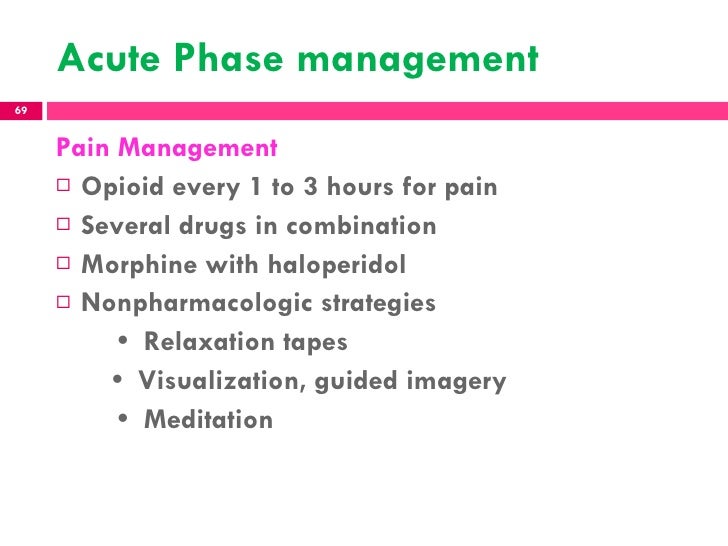
Burns that cause white or charred skin – any size. First and seconddegree burns usually get better on their own, but third and fourthdegree burns need medical attention right away Call your doctor if a seconddegree burn is deep and doesn’t. Pediatric burn pain management Pain management should be a priority Treating pain early and aggressively has been shown to prevent psychological trauma and even to improve healing A multimodal analgesic approach is recommended Have a low threshold to include a narcotic given the severity of pain associated with burns.
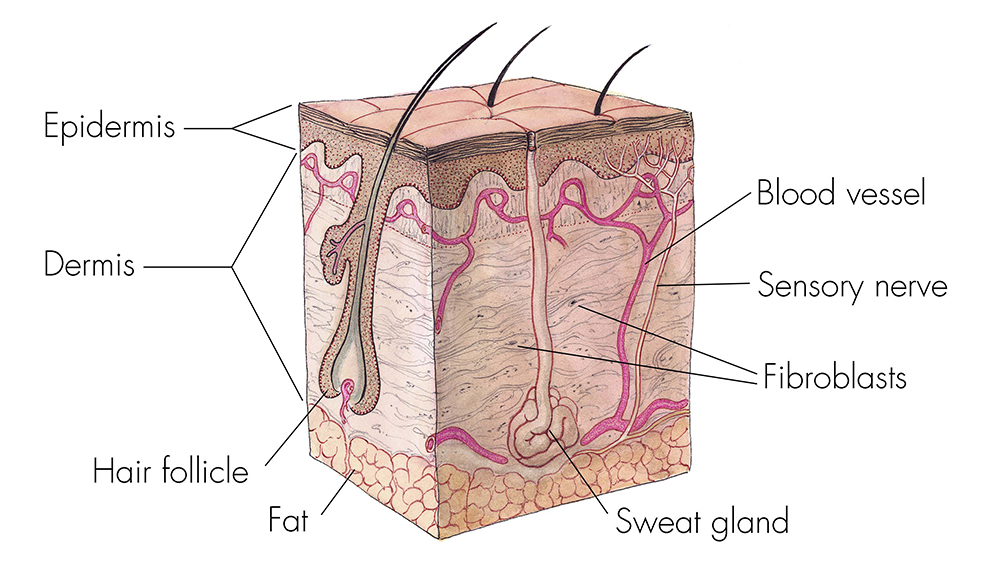
Burns are characterized by severe skin damage that causes the affected skin cells to die Most people can recover from burns without serious health consequences, depending on the cause and degree. Review Article from The New England Journal of Medicine — Initial Management of Burns The most trusted, influential source of new medical knowledge and clinical best practices in the world. Management of burns 1 Management of Burns Dr Imran Javed Associate Professor Surgery Fiji National University 2 Functions of the Skin • Skin is the largest organ of the body • Essential for • Thermoregulation • Prevention of fluid loss by evaporation • Barrier against infection • Protection against environment provided by sensory information.
Cool down the burn After holding the burn under cool, running water, apply cool, wet compresses until the pain subsides Remove tight items, such as rings, from the burned area. The American Burn Association’s Burn Prevention Committee recommends the following guidelines for the treatment of minor burns Please note that even a small burn, may have the potential to become infected It is always advisable to seek medical attention as soon as possible Remember, when in doubt or if you think the. Deeper burns may require surgical management or subsequent transfer to a burn center How a burn wound is treated depends upon the depth of the wound Overall, outpatient management of burns can be divided into the six Cs clothing, cooling, cleaning, chemoprophylaxis, covering, and comforting 32 Clothing.
Additional information can be located on the Burns Medical Treatment Hand Burn’s Care Any dressing applied to fingers, should ensure fingers are taped individually Initially fingers which have circumferential burns should be dressed with the finger tips exposed to monitor neurovascular status. Treatment for burns depends on the cause of the burn, how deep it is, and how much of the body it covers Antibiotic creams can prevent or treat infections For more serious burns, treatment may be needed to clean the wound, replace the skin, and make sure the patient has enough fluids and nutrition NIH National Institute of General Medical Sciences. Deroof blisters with moist gauze or forceps and scissors if >5mm or crossing joints.
Burn Management (continued) Wound care First aid • If the patient arrives at the health facility without first aid having been given, drench the burn thoroughly with cool water to prevent further damage and remove all burned clothing • If the burn area is limited, immerse the site in cold water for 30 minutes to. More severe burns need medical management, may leave scars, and carry a higher risk of complications, such as Infection Burns cause open wounds where bacteria and other germs can enter the body. Review Article from The New England Journal of Medicine — Initial Management of Burns The most trusted, influential source of new medical knowledge and clinical best practices in the world.
Medical management of paediatric burn injuries best practice Burns commonly occur in children and their first aid remains inadequate despite burn prevention programmes While scald injuries predominate, contact and flame burns remain common Although typically less severe injuries overall than those in adults, hypertrophic scarring complicating both the burn. Fullthickness burns (also called thirddegree burns) cause damage to all layers of the skin The burned skin looks white or charred These burns may cause little or no pain if nerves are damaged. Assess Airway/Breathing (1) Careful airway assessment must be done where there are flame or scald burns of the face and neck Intubation is generally only necessary in the case of unconscious patients, hypoxic patients with severe smoke inhalation, or patients with flame or flash burns involving the face and neck.
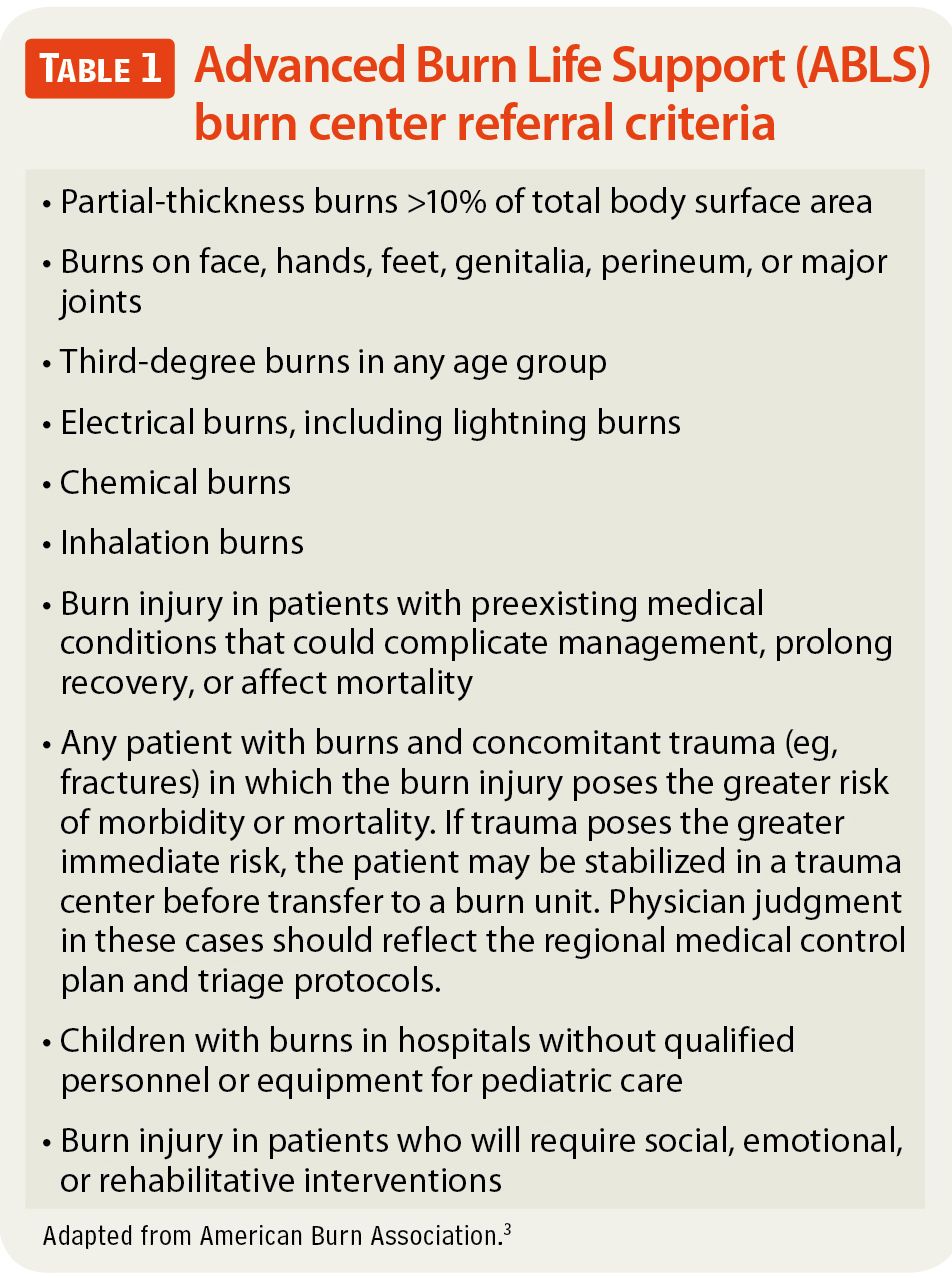
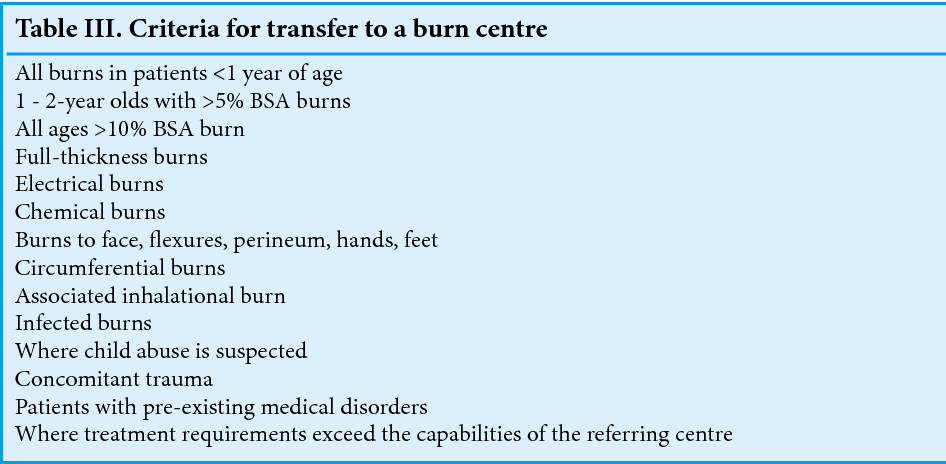
Outcomes for burn patients have improved dramatically over the past years, yet burns still cause substantial morbidity and mortality 1, 2 Proper evaluation and management, coupled with appropriate early referral to a specialist, greatly help in minimizing suffering and optimizing results3, 4, 5 Burn injury is a common cause of morbidity and mortality. Burn injury in patients with preexisting medical disorders that could complicate management, prolong recovery, or affect mortality risk (eg, heart or kidney disease) 8 Any patients with burns and concomitant trauma (eg, fractures) in which the burn injury poses the greatest risk of morbidity or mortality. What is the prognosis for people who have severe burns?.
Management of patient with burns 1 MANAGEMENT OF PATIENT WITH BURNS 2 Definition • Injuries that result from direct contact or exposure to any physical, thermal, chemical, electrical, or radiation source are termed as Burns 3. Initial assessment and management of burn patients Primary assessment Primary assessment of patients with acute burns starts with airway patency and cervical spine Secondary assessment The secondary assessment shouldn’t begin until the primary assessment is complete;. Nursing Management Nursing management in burn care requires specific knowledge on burns so that there could be a provision of appropriate and effective interventions.
Deroof blisters with moist gauze or forceps and scissors if >5mm or crossing joints See blister management;. For minor burns, keep the burn clean and do not burst any blisters that form More serious burns require professional medical attention You should go to a hospital A&E department for all chemical and electrical burns;. Burns are cutaneous lesions caused by exposure to heat, electricity, chemicals or radiation They cause significant pain and may threaten survival and/or compromise function Classification of burns Severe burns one or more of the following parameters – Involving more than 10% of the body surface area (BSA) in children and 15% in adults.
Management of the Burn Patient Sidney Miller, MD, FACS Professor of Surgery Director of Research and Development Ohio State University Burn Center • Describe ambulatory management of btit Learning Objectives burn patients • Use the “rule of nines” to estimate total body surface area of the burn • Describe partial and full thickness. Burns often happen unexpectedly and have the potential to cause death, lifelong disfigurement and dysfunction A critical part of burn management is assessing the depth and extent of injury Burns. Prompt irrigation with running cool tap water for at least minutes (but no more than one hour) provides appropriate Dressings help to relieve pain and keep the area clean but avoid circumferential wrapping, as this can cause All patients with facial burns or burns in an enclosed.
Pain management should be a priority Treating pain early and aggressively has been shown to prevent psychological trauma and even to improve healing A multimodal analgesic approach is recommended Have a low threshold to include a narcotic given the severity of pain associated with burns. Initial management includes assessment and maintenance of following parameters with ABCDE approach Airway assessment and management in case of inhalational burns (burns in closed space, deep dermal burns to face, neck, or trunk, singed nasal hair ,carbon particles in oropharynx). Burn injuries frequently present to the emergency department (ED) In the majority of cases, the burns are minor, yet they require a careful assessment, cleaning, dressing, and careful followup.
Abstract The delivery of care required for a patient with burns is a multifaceted and challenging sphere of nursing practice This article identifies the aims of treatment, highlighting the specific nursing care during the acute phase which is currently implemented on a regional burns unit. Some burns are minor injuries you can treat at home Others cause lasting damage to your skin, muscles, and bones and require longterm medical care The type of burn you have depends on what. Facial burns are most commonly treated by exposure, but the threshold for hospital admission is low Adequate analgesia (occasionally anaesthesia) for thorough conservative management of painful superficial burns is most helpful for dressing care and mandatory if the patient's recovery is to be tolerable.
Clean burn wound and surrounding surface with saline or water. Burns are cutaneous lesions caused by exposure to heat, electricity, chemicals or radiation They cause significant pain and may threaten survival and/or compromise function Classification of burns Severe burns one or more of the following parameters – Involving more than 10% of the body surface area (BSA) in children and 15% in adults. Emergency medical services regularly encounter severe burns As standards of care are relatively wellestablished regarding their hospital management, prehospital care is comparatively poorly defined The aim of this study was to describe burned patients taken care of by our physicianstaffed emergency medical service (PEMS) All patients directly transported by our PEMS to our burn centre.
Burns are tissue damage brought on by heat, chemicals, electricity, radiation or the sun Nearly half a million Americans seek medical care for accidental burns each year Firstdegree burns, and most seconddegree burns, heal with athome treatments Thirddegree burns can be lifethreatening and require specialized medical care.
Reevaluating The Use Of Silver Sulfadiazine Cream In The Management Of Burns
Unit 2 Management Of Patients With Burn

Thermal Injuries First Second And Third Degree Burns

Medical School Management Of Burn In Primary Health Care Setting Health Care Burns Management

Outpatient Burns Prevention And Care American Family Physician
2
Frontiers Advancements In Regenerative Strategies Through The Continuum Of Burn Care Pharmacology
Burns

Sabinet Management Of The Burn Wound

Pdf Management Of Elderly Burn Patients
Www Edcgov Us Government Ems Prehospital protocols Documents Burns 19 Pdf
Burn Management In Pediatric Patients 10 12 01 Ahc Media Continuing Medical Education Publishing
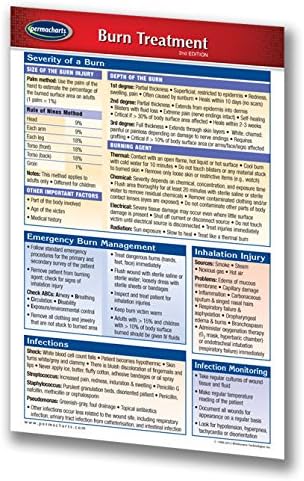
Amazon Com Burn Treatment Guide Pocket Chart Medical Quick Reference Guide By Permacharts Office Products
Q Tbn And9gcstttfql28u G39d Nq 5y5ncobbjmup7ynxsno4vwmvs2vu8q7 Usqp Cau

Emergency Medicine Cme Evidence Based Excellence Eb Medicine
Treating Infection In Burns Contemporary Pediatrics
First Aid Management Burns And Frostbite Public Health Notes

Calameo Second Degree Burns Management Guide For Victims And Survivors
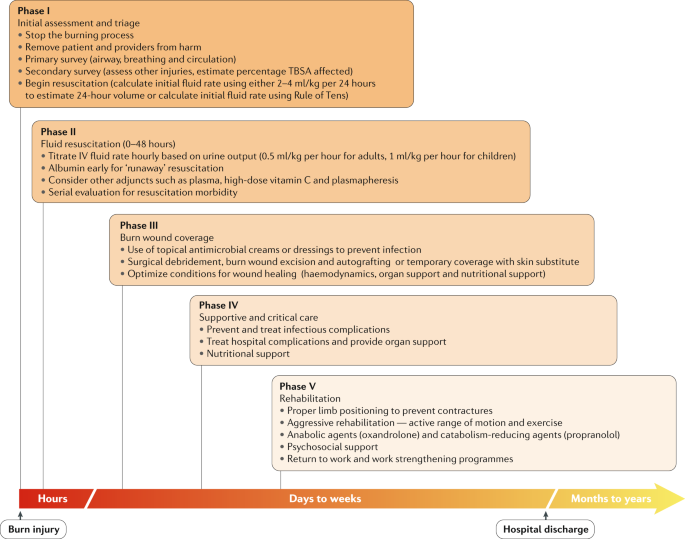
Burn Injury Nature Reviews Disease Primers

Self Treatment Of Minor Wounds And Burns

Metropolitan Community College Fall 13 Jane Miller Rn Msn Ppt Download
Childrensnational Org Media Cnhs Site Files Careers And Training Nursing Trauma Course Burnscenarios Ashx La En
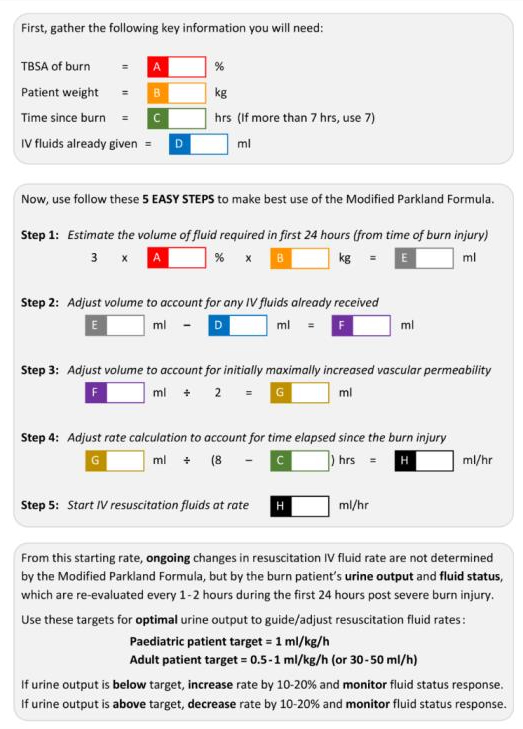
Clinical Practice Guidelines Burns Acute Management
Www Dshs Texas Gov Emstraumasystems Ja10cearticle Pdf
2
Management Of Burn In Pediatric Patients
Academic Oup Com Jbcr Article Pdf 25 3 219 Pdf
Q Tbn And9gcr Gms5zmtzxxvinxp Lahszmdpgkfvyihuqpvosri3mepvflpv Usqp Cau

Treatment Of Acute Ocular Chemical Burns Sciencedirect

The Management Of Burns British Journal Of General Practice
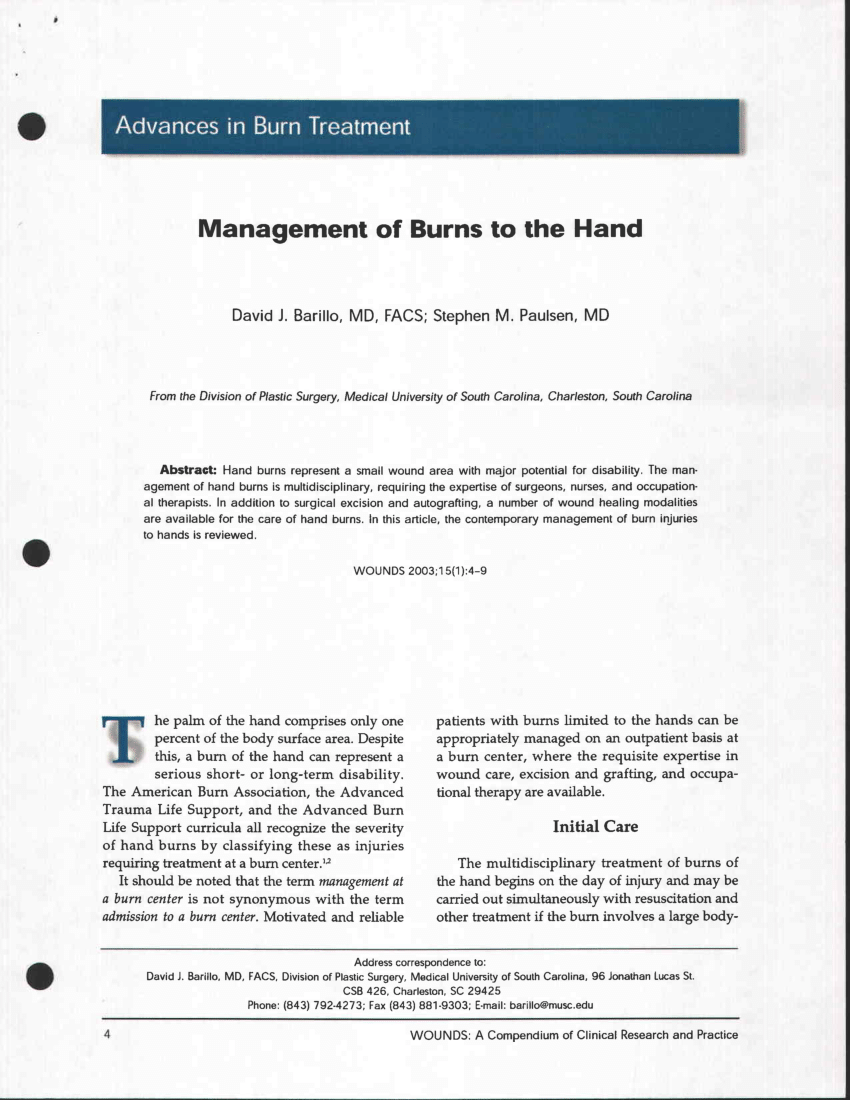
Pdf Management Of Burns To The Hand

Emergency Care For Burns
Modern Management Of Paediatric Burns Semantic Scholar
Treating Infection In Burns Contemporary Pediatrics
Burn Management In Pediatric Patients 10 12 01 Ahc Media Continuing Medical Education Publishing

Burns Ch 25 N 7 Burn Shock Circulatory
Q Tbn And9gctqzhna3yut0iq3l5tyb Urvt2dcv0vykj Pfomkpr Jxrfmfmt Usqp Cau
Burn Injury Nursing Care Management And Study Guide
Unit 2 Management Of Patients With Burn

Medical School Chemical Burn Management Chemical Burn Burns Chemical
Www Woundsinternational Com Download Resource 8797

Thermal Injuries First Second And Third Degree Burns

Wounds International Resources Wounds International
Clinical Practice Guidelines Burns Acute Management

Pediatric Burn Injuries Why The Best Treatment Is Prevention Karen J Tien Ph D 5 5 Ppt Download
Www Childrens Health Qld Gov Au Wp Content Uploads Pdf Guidelines Gdl Paediatric Burns Pdf

Pdf An Overview Of Acute Burn Management In The Emergency Centre

Pdf The Surgical Treatment Of Acute Burns

Outpatient Burns Prevention And Care American Family Physician

Emergency Care For Burns

Management Of Burns Wound Comparative Analysis
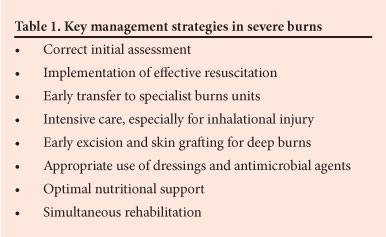
The Emergency Management Of Severe Burns Course In South Africa
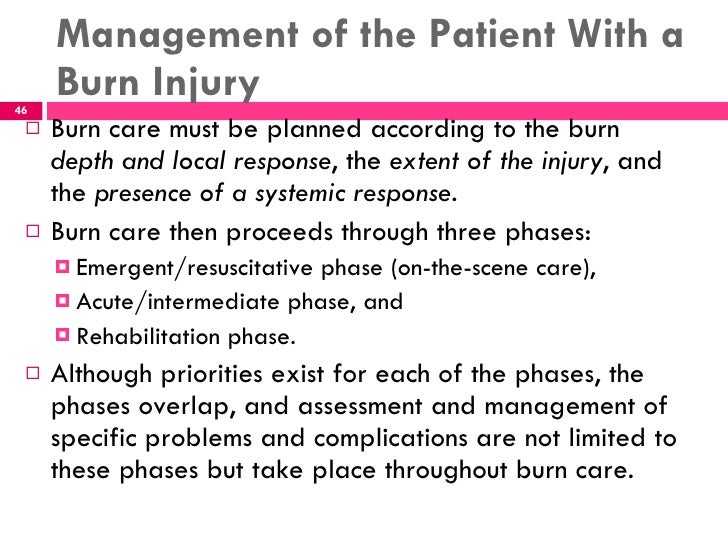
Unit 2 Management Of Patients With Burn
2

Self Treatment Of Minor Wounds And Burns
:max_bytes(150000):strip_icc()/how-to-treat-a-burn-1298802-01-ef3683609e664a3ea3c46d6a619ac2f0.png)
How To Treat A Burn At Home

Full Text Rare Chemical Burns First Response Early Hospitalization And First T Cwcmr
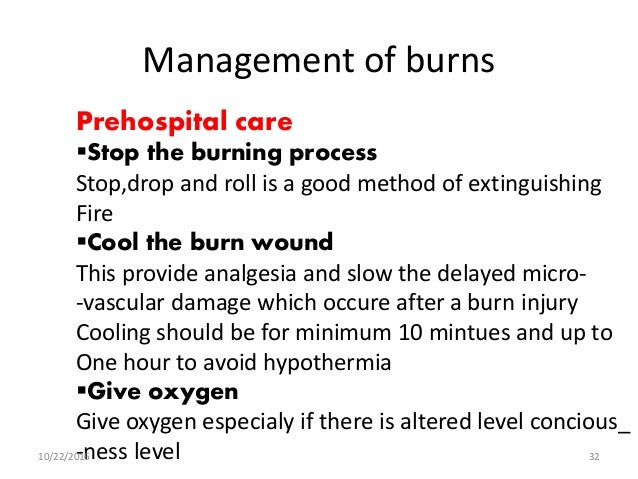
Burn Classification And Management
Academic Oup Com Ptj Article Pdf 64 8 1217 Ptj1217 Pdf

German European Or American Burn Guidelines Is One Superior To Another Abstract Europe Pmc
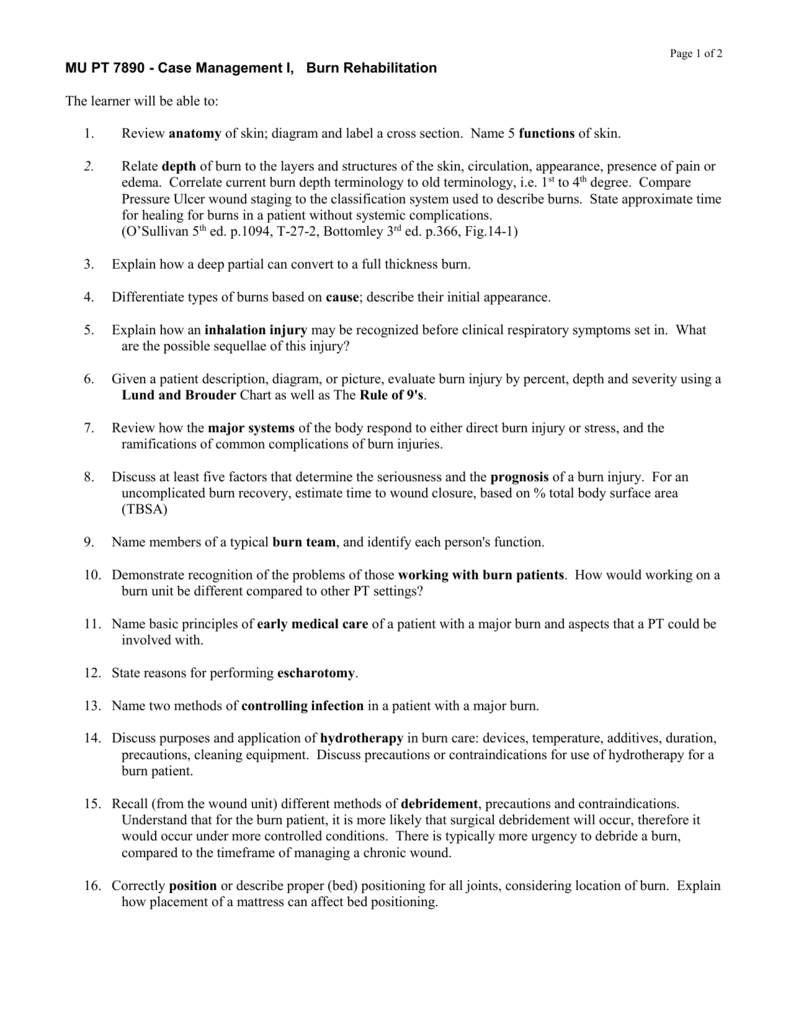
Case Management I Burns Objectives
Metronorth Health Qld Gov Au Rbwh Wp Content Uploads Sites 2 17 06 Burns Role Of Ot Pdf

Management Of Burns Nejm
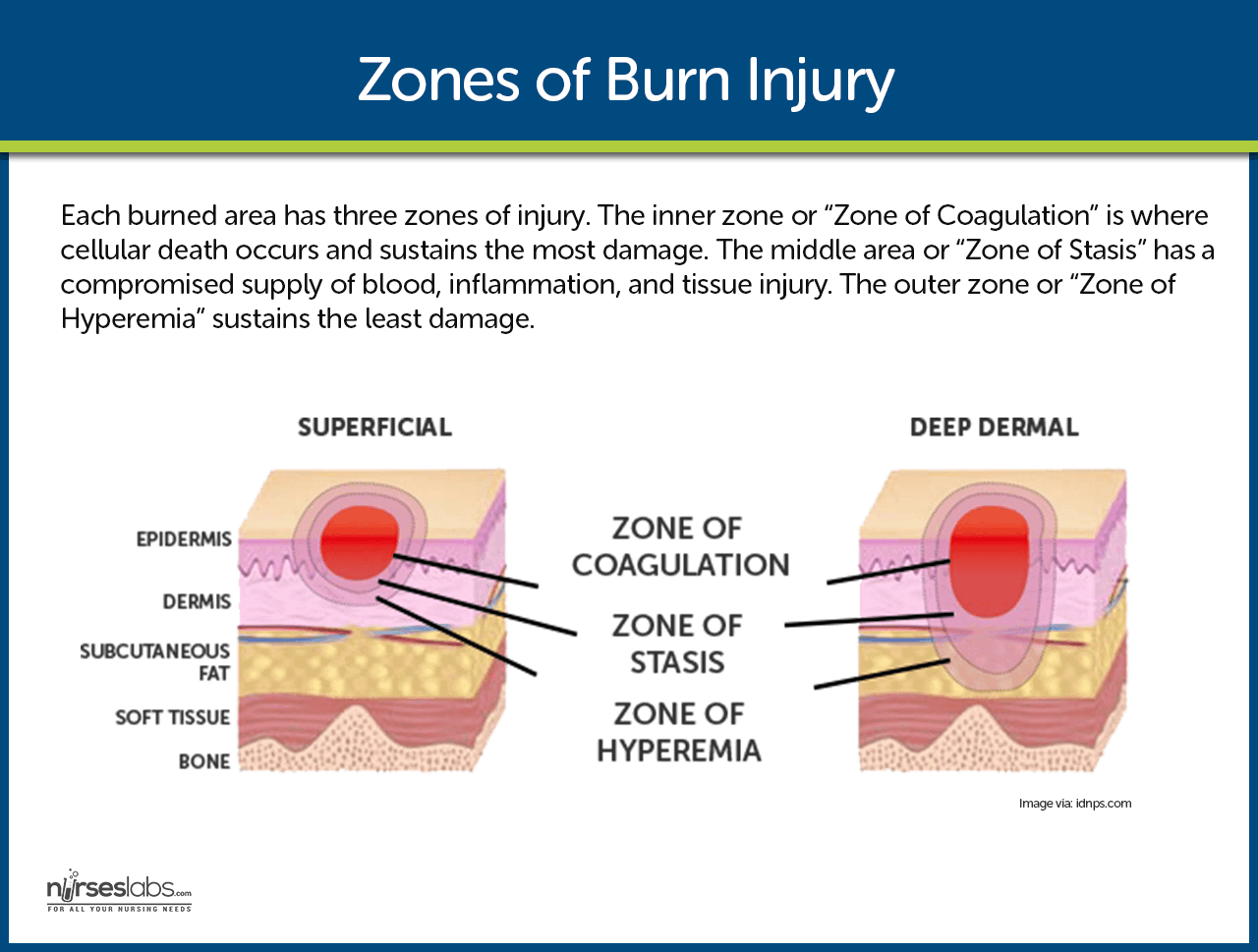
Burn Injury Nursing Care Management And Study Guide

Medical Guideline Burn Care Management Tech License Express

Pdf Initial Management Of Minor Burns Semantic Scholar
Http Www Dickyricky Com Medicine Papers 19 06 13 nejm management of burns Pdf
Http Www Upstate Edu Surgery Pdf Healthcare Trauma Burns Guidelines Final 17 Pdf
Www Cdc Gov Masstrauma Factsheets Public Burns Pdf

Chapter 57 Management Of Patients With Burn Injury Ppt Download
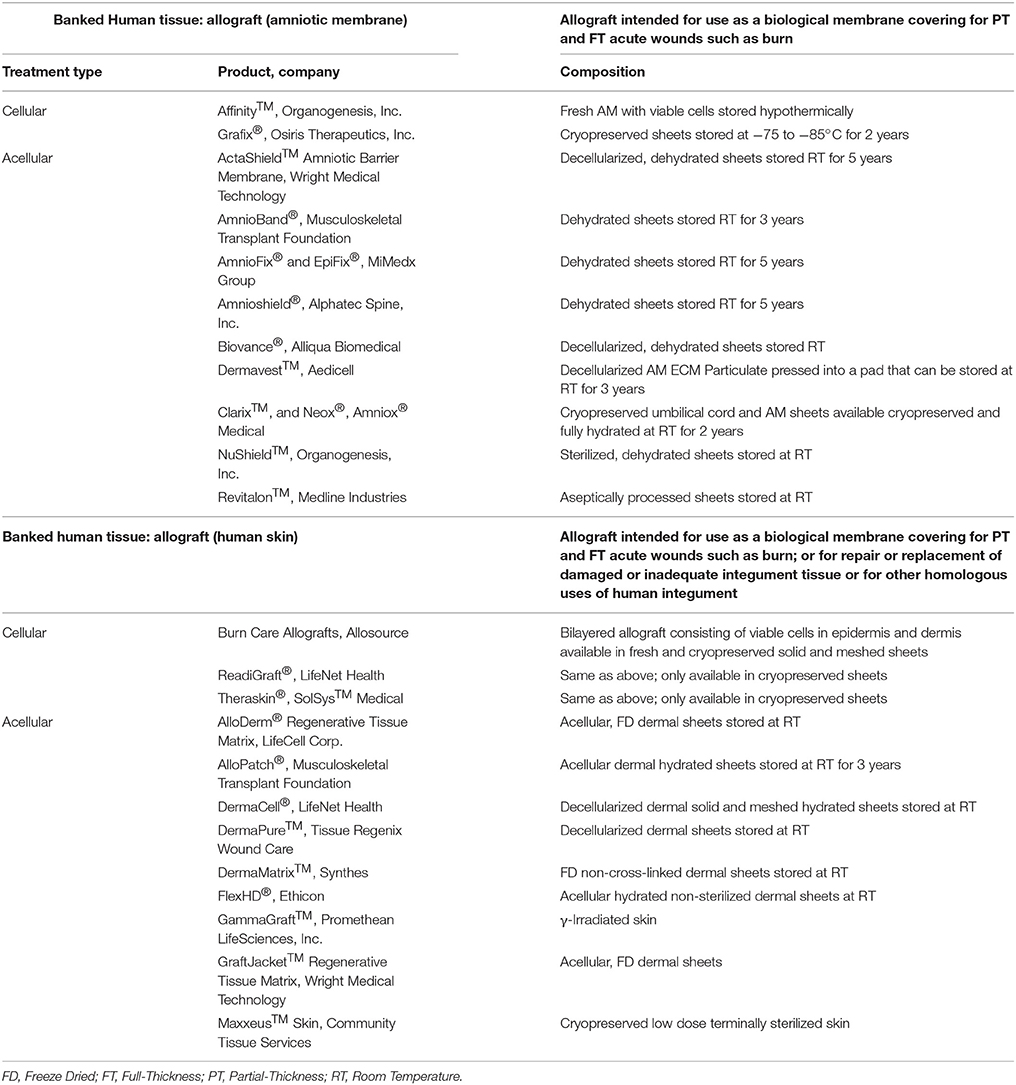
Frontiers Advancements In Regenerative Strategies Through The Continuum Of Burn Care Pharmacology
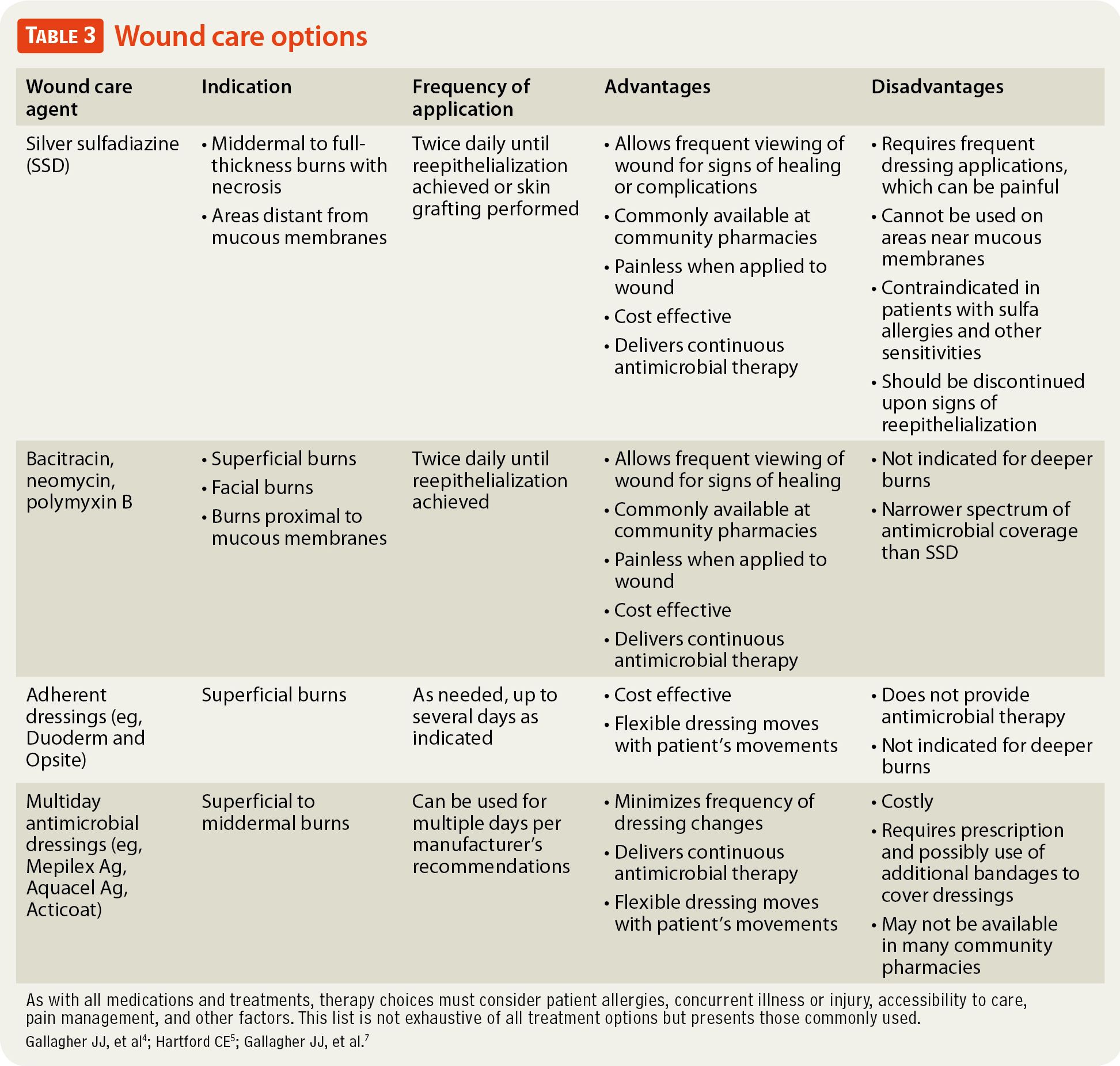
Treating Infection In Burns Contemporary Pediatrics

Dr Muqdad Burn Burns Are Tissue Injuries Resulting From Direct
Http Www Michigan Gov Documents Mdch Burns State 7 Pdf

Nursing Care Of The Burns Patient The Veterinary Nurse

Medical Lecture Notes Online Burn Assessment And Management
Www1 Racgp Org Au Getattachment Abdcacfd 1f21 42ad 80ed 9f1e5b3e2540 Minor Burns In Children 2 Aspx

Biologic And Synthetic Skin Substitutes An Overview Topic Of Research Paper In Clinical Medicine Download Scholarly Article Pdf And Read For Free On Cyberleninka Open Science Hub

Superficial First Degree Burns
2
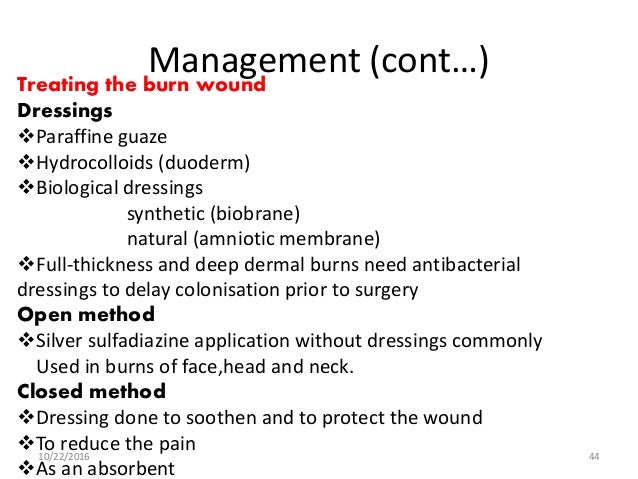
Burn Classification And Management
A Consensus Process On Management Of Major Burns Accidents Lessons Learned From The Cafe Fire In Volendam The Netherlands Emerald Insight

Pdf Management Of Burns In A Rural Hospital

Self Treatment Of Minor Wounds And Burns
2

Treatment Of Acute Deep Burns In Lower Extremities Of The Elderly Topic Of Research Paper In Clinical Medicine Download Scholarly Article Pdf And Read For Free On Cyberleninka Open Science Hub
Http Ameriburn Org Wp Content Uploads 17 05 Burnfirstaid Pdf
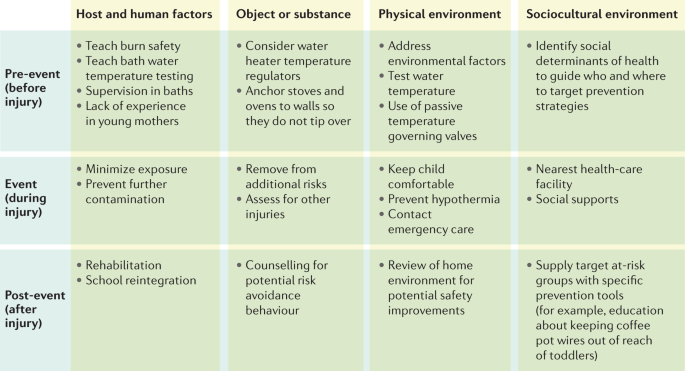
Burn Injury Nature Reviews Disease Primers
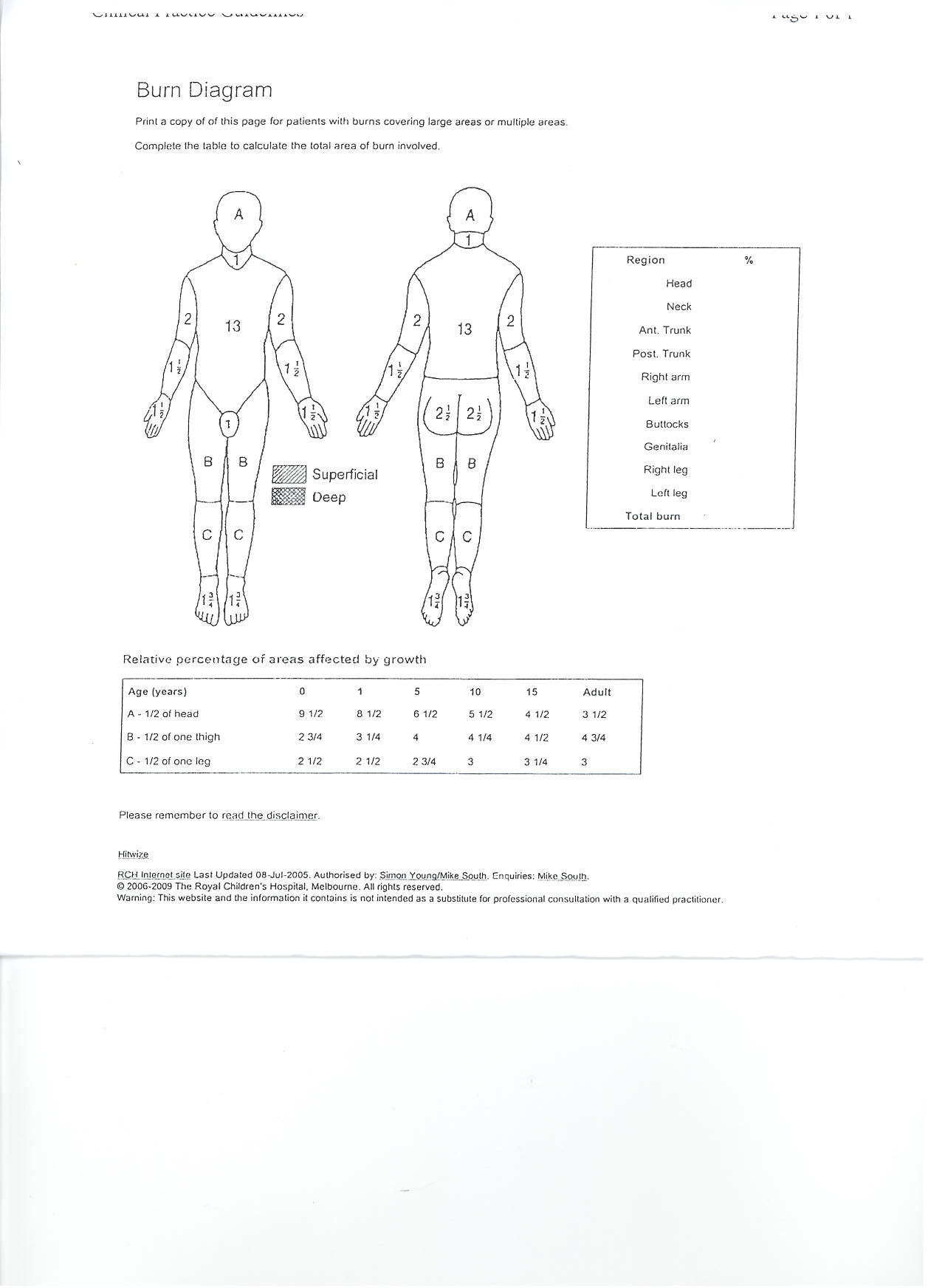
Burns Unit Clinical Information

Thermal Injuries First Second And Third Degree Burns
Q Tbn And9gcquq78stzkhgedaa3dt3l Yx8ppvku5csg0a Jruednaevtvqse Usqp Cau

Efficacy And Tolerability Of A Cocktail Of Bacteriophages To Treat Burn Wounds Infected By Pseudomonas Aeruginosa Phagoburn A Randomised Controlled Double Blind Phase 1 2 Trial The Lancet Infectious Diseases
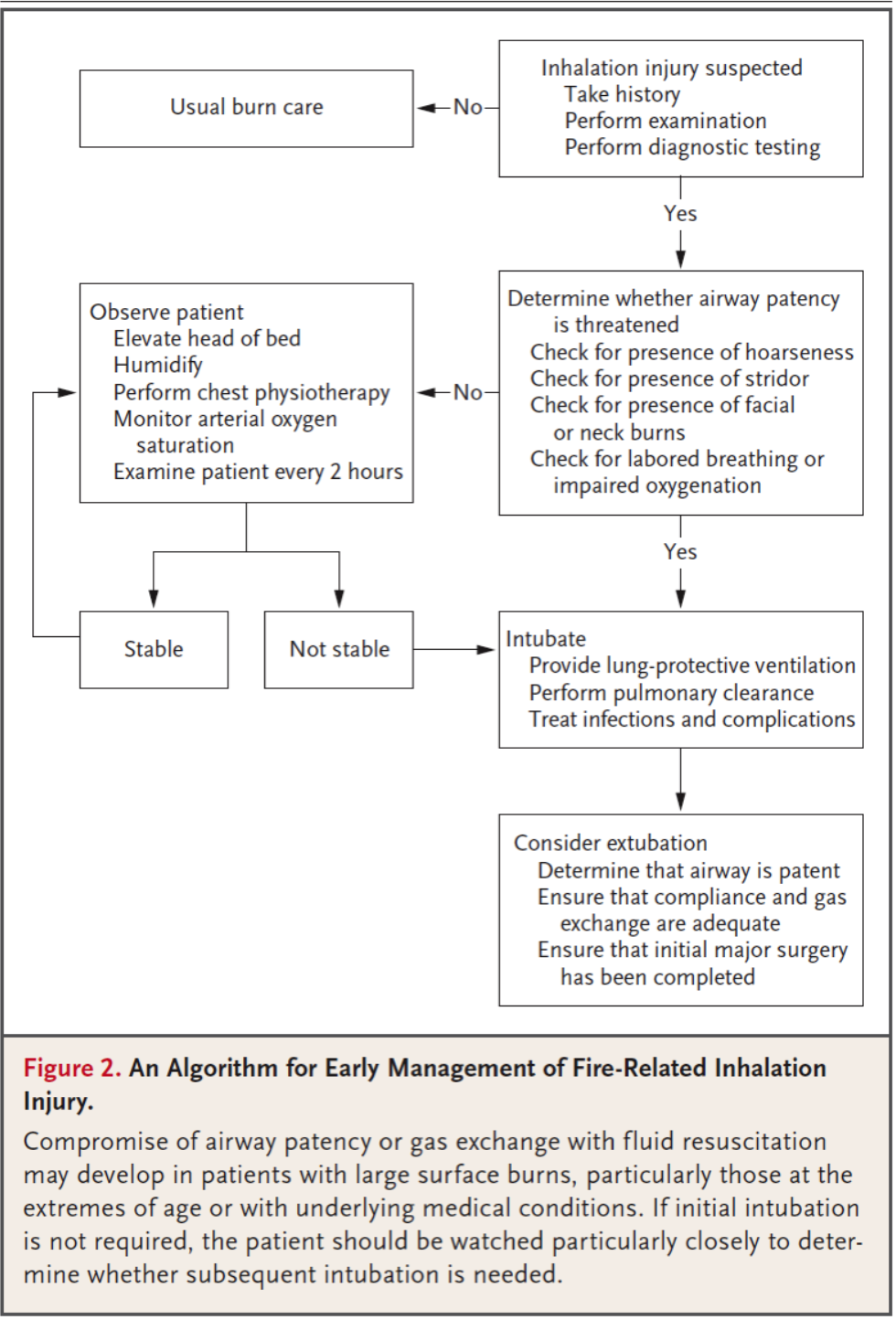
Understanding Inhalation Injury Nuem Blog

Outpatient Burns Prevention And Care American Family Physician
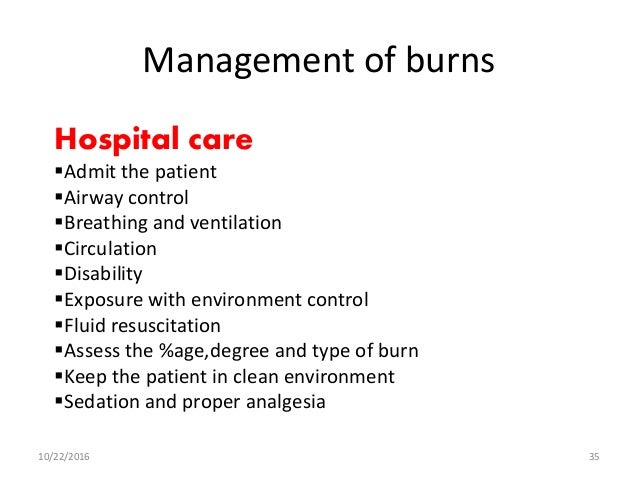
Burn Classification And Management
Pmjay Gov In Sites Default Files 09 List Of 4th Set Of 55 Stgs To Be Released Pdf
County Milwaukee Gov Files County Emergency Management Ems Standards Of Care Burninjury19 Pdf

Management Of Burns Nejm


